
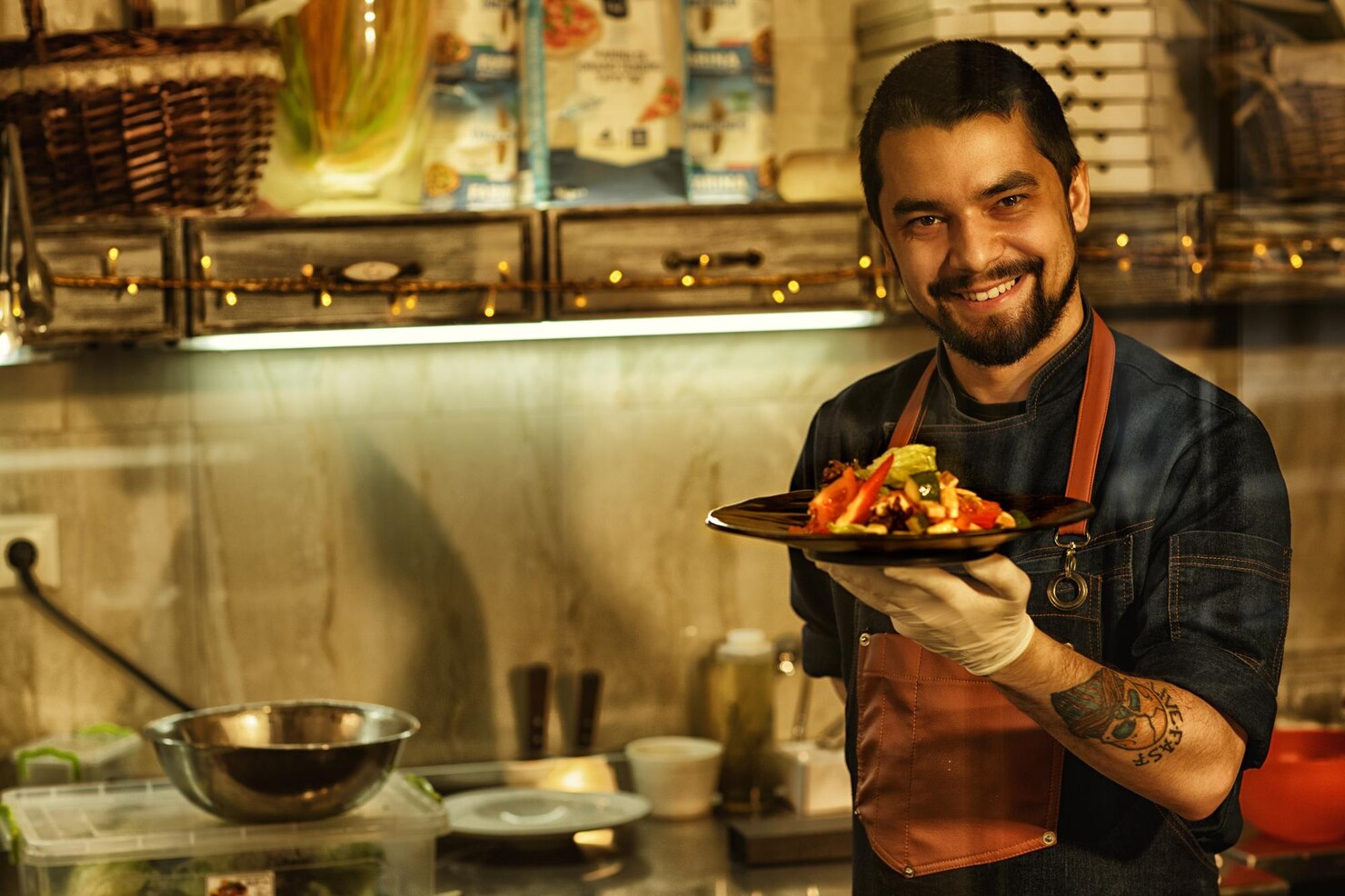
Brampton has become one of the most interesting food markets in Ontario for entrepreneurs exploring South Asian cuisine. Indian food is deeply established in the city’s culinary landscape, but the market is no longer limited to traditional sit-down restaurants. Fast-casual formats, regional specialities, vegetarian concepts, delivery-led kitchens and catering-focused businesses are changing how Indian cuisine is consumed.
This evolution has created opportunities for different types of Indian food franchise in Brampton. Customers are looking for familiar dishes, but they are also increasingly interested in convenience, variety, regional flavours and contemporary dining formats.
For potential franchise owners, that distinction is important. The opportunity is not simply to reproduce an existing Indian restaurant model. It is to understand which formats align with Brampton’s diverse customers and changing dining habits.
Here are five Indian food franchise concepts that are particularly relevant to the current Brampton market.
Why Indian Food Franchises Are Gaining Attention in Brampton
Brampton’s multicultural character has created a strong foundation for Indian cuisine. South Asian food is part of everyday dining for many residents, while Indian restaurants also attract customers from outside the community.
That gives an Indian food franchise in Brampton access to several potential customer groups rather than a single demographic.
Families may seek traditional meals and generous portions. Professionals may prioritise lunch and takeaway. Younger consumers can be attracted to fast service, digital ordering and contemporary presentation. Catering can create another avenue for reaching customers during celebrations, corporate functions and community events.
The market is therefore broad, but it is also competitive.
A franchise concept needs more than a familiar cuisine. It needs a clear proposition, consistent food, appropriate pricing, efficient operations and a location that matches its intended audience.
1. Fast-Casual Indian Food Franchises
Fast-casual dining has become an increasingly important restaurant format because it combines aspects of quick service with a more substantial food experience.
This model can work particularly well for Indian cuisine.
Instead of expecting customers to spend an hour at a traditional restaurant, a fast-casual Indian food franchise in Brampton can offer curries, rice bowls, naan, wraps, biryani combinations and other dishes designed for relatively quick service.
The appeal lies in convenience.
A customer can order a complete Indian meal without committing to a lengthy dine-in experience. This can make the format relevant to office workers, students, families and customers looking for takeaway.
Fast-casual restaurants can also be designed around a comparatively streamlined menu. Fewer menu items can make inventory management, kitchen training and service consistency easier when the concept is properly designed.
However, speed should not come at the expense of food quality.
Indian cuisine involves complex preparation, marinades, sauces and spice blends. A successful fast-casual concept therefore needs strong kitchen systems that preserve flavour while maintaining efficient service.
Why this format matters in Brampton
The combination of established Indian-food familiarity and demand for convenience makes fast-casual dining an interesting franchise model.
Digital ordering can further complement the format, allowing customers to order meals for pickup or delivery rather than relying entirely on walk-in traffic.
2. Traditional Indian Restaurant Franchises
The traditional full-service Indian restaurant remains relevant despite the growth of fast-casual dining.
There is a reason.
Indian food is closely associated with family meals, celebrations, social gatherings and hospitality. A sit-down restaurant provides an experience that takeaway cannot completely reproduce.
A full-service Indian food franchise in Brampton can offer an extensive menu featuring familiar dishes such as butter chicken, chicken tikka, biryani, dal, paneer preparations, tandoori dishes, naan and Indian desserts.
The dining environment becomes part of the proposition.
Atmosphere, hospitality, presentation and table service can influence the overall customer experience alongside the food.
Contemporary franchise brands such as Amaya represent this broader approach to Indian dining, bringing familiar Indian dishes into a structured restaurant format designed for the Canadian market.
The important consideration for an investor is differentiation.
Brampton already has numerous Indian restaurants. A new full-service franchise therefore needs to provide a clear reason for customers to choose it.
That could involve consistency, menu breadth, service, convenience, family-friendly dining or a clearly defined culinary identity.
3. Regional Indian Food Franchise Concepts
One of the most interesting developments in Indian food is the growing recognition that Indian cuisine is not a single culinary tradition.
India has hundreds of regional food traditions, each with its own ingredients, cooking methods, spice profiles and cultural influences.
A regional Indian food franchise in Brampton can therefore build its identity around a specific culinary tradition instead of offering a broad menu covering everything.
Punjabi cuisine is already highly familiar to many Canadian consumers. South Indian food provides another strong category, with dishes such as dosa, idli, vada and various rice preparations.
There is also growing visibility for Indian street food and regional specialities.
A specialised concept can potentially stand out because its positioning is easier to understand.
Instead of competing simply as “another Indian restaurant,” a regional franchise can communicate a particular culinary experience.
This also creates educational value.
Customers may discover that Indian cuisine extends far beyond the familiar butter chicken, naan and tandoori combination.
For franchise investors, however, regional specialisation requires careful market research. A concept should have enough potential customers in its target area to support its narrower positioning.
4. Vegetarian and Plant-Based Indian Food Franchises
Vegetarian Indian cuisine is not a new trend. India has an exceptionally deep tradition of vegetarian cooking.
What is changing is the broader market’s increasing interest in vegetarian and plant-based food.
This creates another interesting opportunity for an Indian food franchise in Brampton.
A vegetarian-focused concept can build its menu around dishes such as paneer, dal, chole, vegetable curries, dosa, idli, rice preparations and a wide variety of breads and snacks.
The potential audience extends beyond vegetarians.
Customers may be looking for meat-free meals several times a week, exploring healthier eating patterns or simply wanting greater variety.
Indian cuisine is particularly well positioned for this because vegetarian dishes are already an integral part of the culinary tradition rather than an afterthought added to a meat-focused menu.
Plant-based adaptations can expand the offering further, although franchises need to consider ingredients, preparation methods and customer expectations carefully.
For an investor, the attraction of this model is its ability to occupy a clearly defined position within the larger Indian restaurant category.
Rather than competing on a menu containing hundreds of dishes, a specialised vegetarian concept can develop expertise around a more focused culinary proposition.
5. Indian Takeout, Delivery and Catering Franchises
Convenience has changed the restaurant industry.
Customers increasingly expect to be able to discover menus online, place orders digitally and receive food at home or collect it without spending significant time inside a restaurant.
Indian food is particularly suitable for several of these formats.
Curries, biryani, rice dishes, naan and combination meals can be packaged for takeaway and delivery, while larger portions can be designed for families or groups.
A delivery-focused Indian food franchise in Brampton can therefore operate with a different physical footprint from a traditional dine-in restaurant.
Catering provides another potential revenue channel.
Indian cuisine is frequently served at weddings, birthdays, corporate events, religious and community gatherings and other celebrations. A franchise that develops efficient catering systems can potentially reach customers beyond its normal restaurant traffic.
However, delivery and catering are not automatically more profitable.
Packaging, delivery commissions, food quality during transportation, order accuracy, staffing and logistics all affect the economics.
The concept needs to be designed around these realities from the beginning.
What Makes These Indian Food Franchise Concepts Relevant to Brampton?
Although the five formats are different, they share several characteristics.
Convenience
Customers increasingly value food that fits around busy schedules. Fast-casual, takeaway and delivery models respond directly to this behaviour.
Familiarity
Indian cuisine already has a substantial customer base in Brampton. Franchise operators can therefore build upon existing awareness rather than introducing an entirely unfamiliar category.
Variety
Indian food can accommodate vegetarian, vegan, chicken, seafood and meat-based preferences, depending on the restaurant’s concept.
Cultural Relevance
Food remains an important expression of South Asian culture, particularly during family gatherings and celebrations.
Adaptability
Indian dishes can be presented through traditional dining, fast-casual meals, takeaway combinations, catering formats and contemporary menus.
These characteristics help explain why different Indian restaurant models can coexist within the same market.
What Should an Entrepreneur Consider Before Choosing a Franchise?
Popularity of Indian food should not be the only factor influencing a franchise decision.
The first consideration should be location.
A delivery-oriented concept may prioritise access to a large delivery radius, while a family restaurant may need parking, visibility and a comfortable dining environment.
The second consideration is competition.
A prospective franchisee should examine nearby restaurants, their pricing, customer reviews, menus, opening hours, delivery availability and positioning.
The third is total investment.
The franchise fee is only one component. Costs may include lease expenses, construction, equipment, technology, inventory, staffing, marketing, insurance, royalties and working capital.
The fourth is franchisor support.
Training, supply-chain assistance, marketing, technology and operational guidance can be valuable, particularly for first-time restaurant owners.
Finally, the franchise agreement itself deserves careful review.
Professional legal and financial advice can help an investor understand the obligations, fees, renewal terms and other contractual provisions before making a commitment.
Indian Food Franchise vs. Independent Restaurant
The franchise model offers potential advantages, but it is not automatically superior to independent ownership.
| Factor | Franchise | Independent Restaurant |
| Brand recognition | Existing brand | Built from scratch |
| Operating system | Established framework | Owner develops systems |
| Training | Often available | Owner responsible |
| Menu control | Usually limited | Greater flexibility |
| Marketing | Possible franchisor support | Owner-led |
| Franchise fees | Applicable | None |
| Creative freedom | More restricted | Greater |
| Support | May be ongoing | Self-managed |
An entrepreneur who values an established system may find franchising attractive.
Someone with extensive restaurant experience and a strong independent concept may prefer complete control.
The decision should ultimately be based on the specific business model and financial circumstances.
Is an Indian Food Franchise a Good Opportunity in Brampton?
The answer depends on the franchise and the execution.
Brampton offers several characteristics that make the market worth exploring: established demand for Indian cuisine, a multicultural population, strong South Asian cultural influence and customers accustomed to both traditional and contemporary restaurant formats.
But those same characteristics create competition.
An Indian food franchise in Brampton needs to identify a clear market position rather than relying on cuisine alone.
A restaurant that understands its customers, controls operating costs, maintains food consistency and chooses an appropriate location can be better positioned than one that simply assumes demand will translate into profitability.
The Future of Indian Food Franchising in Brampton
The future is likely to involve greater variety rather than one dominant restaurant model.
Traditional restaurants will continue serving customers seeking familiar flavours and family dining. Fast-casual concepts can address convenience. Regional restaurants can introduce lesser-known cuisines. Vegetarian concepts can respond to changing dietary preferences, while delivery and catering can extend the restaurant beyond its physical premises.
Technology will also remain important.
Online ordering, digital marketing, delivery platforms, customer reviews and social media increasingly influence how customers discover restaurants.
For franchise owners, this means that the modern Indian restaurant is not simply a kitchen and dining room. It is a brand that customers can encounter through multiple channels.
Final Thoughts
The growing relevance of an Indian food franchise in Brampton reflects the evolution of both Indian cuisine and the Canadian restaurant industry.
Fast-casual dining, traditional restaurants, regional cuisine, vegetarian concepts and delivery-led businesses each offer a different approach to serving the market.
The most promising concept is not necessarily the newest or the most fashionable. It is the one that aligns its menu, pricing, location, operating model and customer experience with a clearly identified market opportunity.
Brampton provides a strong culinary foundation, but competition means franchise investors must approach the opportunity strategically.
For anyone considering an Indian food franchise, the first step should therefore be research—not simply choosing a popular menu.
Understanding the customer, studying the competition, evaluating the franchise agreement, modelling the complete investment and selecting the right format can turn an interesting food trend into a more informed business decision.
Frequently Asked Questions
What type of Indian food franchise is popular in Brampton?
Several formats can appeal to the Brampton market, including traditional full-service restaurants, fast-casual concepts, regional Indian restaurants, vegetarian-focused businesses and takeaway or catering models.
Is an Indian food franchise profitable in Brampton?
Profitability cannot be guaranteed. Performance depends on factors such as location, sales, food costs, labour, rent, franchise fees, competition, pricing and management.
Why is Indian food popular in Brampton?
Indian cuisine benefits from strong cultural familiarity within Brampton’s South Asian communities while also attracting customers from diverse backgrounds. Its wide range of dishes and dietary options further expands its appeal.
Is a fast-casual Indian franchise a good business model?
Fast-casual dining can offer an efficient way to serve customers seeking convenience, takeaway and quick meals. Its suitability depends on the location, menu, operating costs and franchise structure.
Are vegetarian Indian restaurants a growing opportunity?
Vegetarian Indian cuisine has deep traditional roots, while broader consumer interest in plant-based and meat-free meals can create additional market opportunities. The specific demand should still be assessed locally.
What should be considered before buying an Indian food franchise in Brampton?
Investors should evaluate the total startup cost, ongoing franchise fees, location, competition, menu positioning, target customers, franchisor support, staffing requirements and working-capital needs before making a decision.
Is an Indian franchise better than an independent restaurant?
Neither model is universally better. A franchise can provide brand recognition and established systems, while an independent restaurant offers greater flexibility and control. The appropriate choice depends on the entrepreneur’s objectives, experience and resources.
