
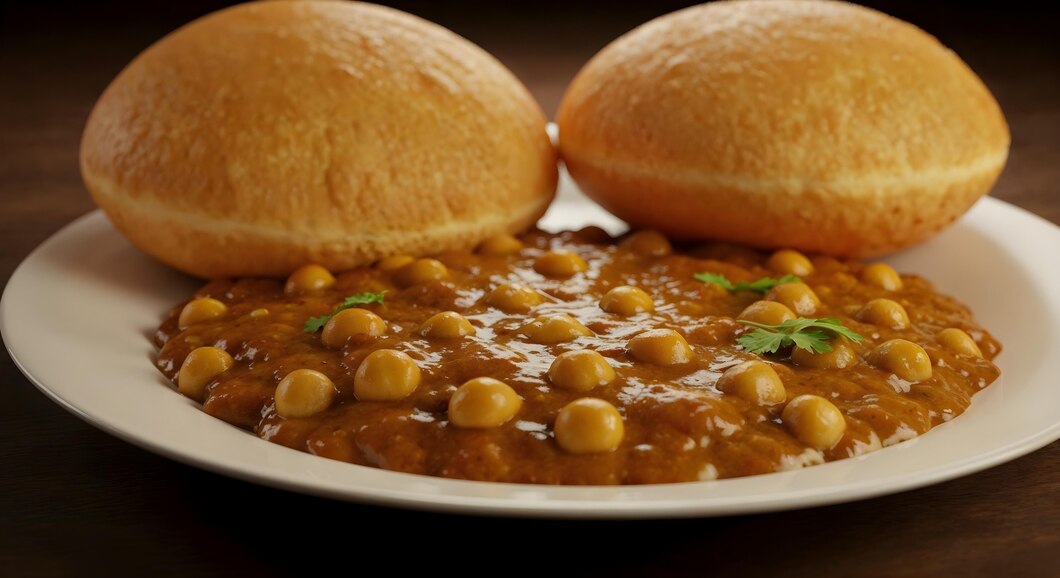
Few Indian dishes manage to combine comfort, indulgence, texture and bold flavour quite like chole bhature. The combination of spiced chickpeas and deep-fried, fluffy bhature has become a familiar choice for Indian food lovers across Toronto, from people looking for a nostalgic taste of home to diners discovering North Indian cuisine for the first time. The popularity of Chole Bhature in Toronto, Ontario reflects something larger than a growing interest in one particular dish. Toronto’s multicultural food culture has created an environment where regional Indian dishes can move beyond their traditional settings and become part of the city’s everyday dining landscape. But what makes chole bhature so appealing? Why has this combination remained popular among Indian food enthusiasts, and what makes it particularly suited to Toronto’s diverse restaurant scene? The answer lies in its distinctive combination of flavour, texture, familiarity and versatility. What Is Chole Bhature? Chole bhature is a popular North Indian dish consisting primarily of chole, a preparation of chickpeas cooked with spices, and bhature, a deep-fried leavened bread that is typically soft, airy and slightly chewy. The contrast between the two components is central to the dish. The chickpeas provide a rich, savoury and aromatic base, while the bhature offers a light yet indulgent bread that can be torn into pieces and used to scoop up the chole. Depending on the recipe and regional interpretation, the chickpeas may feature spices such as cumin, coriander, chilli, garam masala and other aromatic ingredients. Accompaniments can include sliced onions, pickles, chutneys, green chillies or other traditional sides. For anyone searching for Chole Bhature in Toronto, Ontario, understanding this combination helps explain why the dish has such broad appeal. Why Is Chole Bhature So Popular? The first reason is simple: flavour. Chole bhature brings together several characteristics that diners naturally enjoy. The chickpeas are hearty and filling, the spices create depth, and the bhature adds a crispy exterior with a soft interior. There is also a strong contrast between textures. A spoonful of chickpeas followed by a bite of freshly prepared bhature creates a combination that is difficult to reproduce with ordinary bread and curry. The dish feels substantial without requiring a complicated selection of multiple items. For many Indian diners, the appeal also goes beyond taste. Chole bhature is connected with memories of family meals, weekend breakfasts, street-food experiences and casual restaurant outings. That emotional connection has helped make Chole Bhature in Toronto, Ontario more than just another item on an Indian food menu. The Role of Chickpeas in the Dish Chickpeas are the foundation of the chole component. They provide a naturally hearty texture and absorb the flavours of the spices and cooking process. Because chickpeas are filling, chole can form the centre of a satisfying meal even without meat. This also makes the dish relevant to Toronto’s large vegetarian dining audience. Indian cuisine has long demonstrated how legumes can be transformed into substantial meals through spices, aromatics and cooking techniques. Chole is a strong example of that culinary tradition. The chickpeas also provide a useful balance to the richness of the bhature. Rather than being a dish built entirely around fried food, chole bhature combines a legume-based preparation with fried bread. What Makes Bhature Different From Regular Indian Bread? Bhature is not simply another type of naan or roti. It is typically made from a dough that is allowed to develop before being rolled and deep-fried. When prepared correctly, the dough can puff dramatically in hot oil, producing a large, airy bread with a golden exterior. That visual quality is part of the experience. A freshly fried bhatura arriving at the table immediately attracts attention because of its size, puffed appearance and aroma. Once it begins to cool, diners can tear it apart and pair it with the chickpeas. This combination of visual appeal and texture helps explain the enduring popularity of Chole Bhature in Toronto, Ontario. Chole Bhature and Toronto’s Multicultural Food Culture Toronto is one of the world’s most diverse urban food destinations. Diners have access to cuisines representing South Asia, East Asia, Europe, the Middle East, Africa and the Americas. Indian food has a particularly strong presence within this environment. The Greater Toronto Area is home to communities with roots across different parts of India, meaning diners can encounter dishes from Punjab, Delhi, Gujarat, Maharashtra, South India and other culinary traditions. Chole bhature fits naturally into this environment because it is recognizable to many Indian diners while remaining approachable for people unfamiliar with Indian cuisine. A person who has never tried a complicated regional curry may still understand the basic appeal of chickpeas combined with freshly fried bread. This accessibility contributes to the growing demand for Chole Bhature in Toronto, Ontario. Is Chole Bhature a Breakfast, Lunch or Dinner Dish? The answer depends on cultural and personal preferences. Chole bhature is frequently associated with breakfast or brunch in North Indian food culture, but it can also be enjoyed as lunch or dinner. In Toronto, the dish can work particularly well as a weekend meal. Its filling nature makes it suitable for diners looking for something more substantial than a light breakfast. The dish can also function as a casual shared meal. One person may order it as a complete plate, while other diners may choose additional Indian dishes to create a broader spread. There is no single correct time to enjoy chole bhature. Why Chole Bhature Appeals to Vegetarian Diners One of the strongest reasons for the popularity of chole bhature is that it delivers a satisfying meal without relying on meat. The chickpeas provide substance, while the spices create complexity. The bhature provides carbohydrates and richness, making the combination feel complete. For vegetarian diners in Toronto, this matters because vegetarian food does not have to mean choosing a light or secondary option. Indian cuisine has developed an enormous range of vegetarian dishes that can function as complete meals. Chole bhature is one of the most recognisable examples. Its popularity demonstrates how legumes, grains,
Why Amaya Express Is a Great Choice for Indian Catering in Mississauga
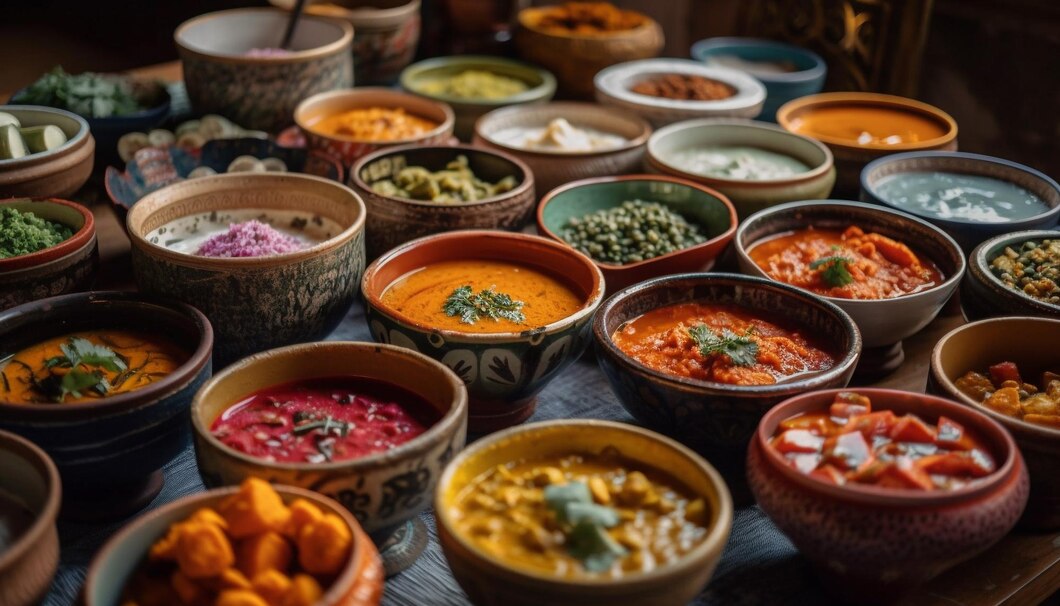
Planning food for a group is very different from choosing a meal for a family dinner. When dozens of guests are involved, taste is only one part of the decision. The food needs to suit different preferences, arrive at the right time, remain enjoyable while being served, and offer enough variety without making the menu unnecessarily complicated. That is why choosing the right Indian Catering in Mississauga, Ontario requires more thought than simply finding a restaurant with a large menu. A successful catering experience depends on food quality, menu balance, portion planning, dietary flexibility, convenience, and the ability to match the meal to the occasion. Mississauga is particularly well suited to Indian catering because of its diverse population and strong appreciation for regional Indian food. From office lunches and birthday celebrations to weddings, religious gatherings and family occasions, Indian dishes can work across a remarkably wide range of events. What Makes Indian Catering Different From Regular Restaurant Ordering? Ordering food for a few people is relatively straightforward. Catering involves a different set of considerations. With Indian Catering in Mississauga, Ontario, the menu may need to accommodate vegetarians, non-vegetarians, guests who prefer mild flavours, and others who enjoy stronger spices. There may also be requirements involving Jain food, vegan dishes, allergies, religious preferences or specific dietary restrictions. A good catering plan therefore begins with the guests rather than the dishes. The number of people attending, the type of event, serving arrangements, meal timing and preferred cuisine style should all influence the final menu. Instead of selecting ten unrelated dishes simply because they sound appealing, hosts can create a balanced combination of appetizers, mains, breads, rice, accompaniments and desserts. This approach makes Indian Catering in Mississauga, Ontario more practical and enjoyable for everyone at the table. Why Indian Food Works Well for Group Events Indian cuisine has a natural advantage when it comes to group dining: variety. A single Indian spread can include creamy curries, grilled dishes, vegetarian preparations, lentils, rice, breads, chutneys, salads, snacks and desserts. That makes it possible to create a meal that feels substantial without relying on just one type of dish. For example, a family celebration might combine samosas or other appetizers with paneer, chicken curry, dal, rice, naan and a traditional dessert. A corporate lunch may benefit from simpler combinations that are easy to portion and serve. The flexibility of Indian food is one reason Indian Catering in Mississauga, Ontario can suit such different occasions. Another advantage is familiarity. Many guests already know and enjoy popular Indian dishes, while regional or less familiar preparations can introduce something new without making the entire meal unfamiliar. Catering for Corporate Events and Office Lunches Corporate catering presents its own challenges. Food needs to be convenient, presentable and relatively easy to distribute, particularly when employees have limited time for lunch. Indian food can work particularly well for meetings, team lunches, training sessions, office celebrations and business gatherings. Individual meal boxes can be useful for smaller workplace events, while buffet-style arrangements may work better for larger groups. When planning Indian Catering in Mississauga, Ontario for an office, it is worth considering whether guests will be eating at the same time. If the meal is part of a meeting, foods that are easy to serve and eat may be preferable to dishes requiring extensive preparation at the table. Portion control also matters. A menu should provide enough food without creating excessive leftovers. Indian Catering for Weddings and Large Celebrations Weddings and cultural celebrations often require a more extensive approach to food planning. Indian celebrations may involve multiple functions, including engagement ceremonies, mehendi, sangeet, wedding receptions, anniversaries and family gatherings. Each event may have a different atmosphere and guest profile. For larger celebrations, Indian Catering in Mississauga, Ontario can include several stages of dining. Appetizers can welcome guests, followed by a selection of vegetarian and non-vegetarian mains, rice dishes, breads and desserts. The key is balance. A large menu does not automatically mean a better menu. Too many similar curries can make a buffet repetitive, while too many rich dishes can make the meal feel heavy. Combining contrasting textures, flavours and levels of richness generally creates a more satisfying experience. Vegetarian Options Should Be Part of the Main Plan Vegetarian catering should not be treated as an afterthought. Indian cuisine offers an enormous range of vegetarian dishes, from paneer and vegetable curries to dal, chana, aloo preparations and rice-based meals. This makes Indian Catering in Mississauga, Ontario particularly useful for gatherings where guests have different dietary preferences. A thoughtful menu can include several vegetarian choices without making non-vegetarian guests feel that they are receiving a separate or limited selection. For mixed groups, it is also useful to label dishes clearly. Guests should be able to identify vegetarian, vegan, dairy-containing and spicy dishes without having to ask repeatedly. This small organisational detail can significantly improve the overall dining experience. Choosing the Right Balance of Spices Spice is one of the most misunderstood aspects of Indian food. Indian cuisine is not defined simply by heat. Spices contribute aroma, depth, sweetness, earthiness and complexity. A dish can be richly spiced without necessarily being extremely hot. When arranging Indian Catering in Mississauga, Ontario, hosts should consider the preferences of the entire guest group rather than choosing every dish at the same spice level. A balanced spread might include mild, medium and more strongly seasoned dishes. This allows guests to choose according to their comfort level while preserving the character of Indian cuisine. It is also helpful to communicate clearly with the caterer about children, older guests or attendees who may prefer milder food. How to Plan Portions for Indian Catering Portion planning can make or break a catered event. Under-ordering creates obvious problems, but over-ordering can result in unnecessary expense and excessive food waste. The appropriate quantity depends on several factors, including guest numbers, event duration, meal timing and the number of dishes being offered. A cocktail-style gathering may require more emphasis on appetizers, while a
The Ultimate Guide to Launching an Indian Restaurant Franchise in Brampton, Ontario: Market Analysis and Cost Breakdown
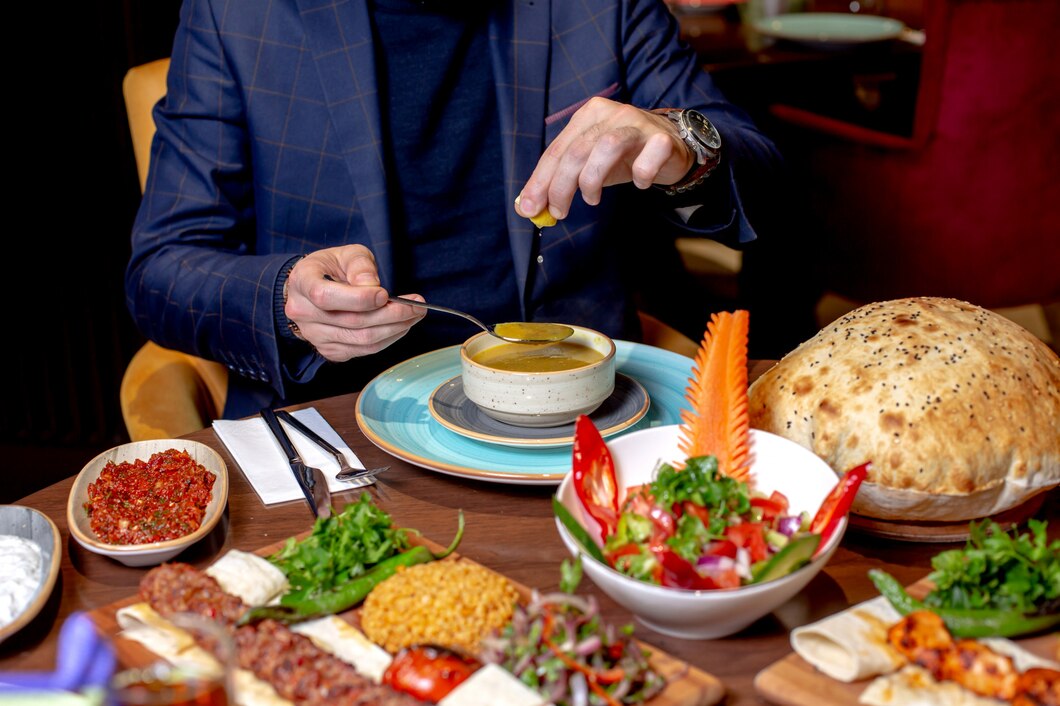
Opening a restaurant is a significant business decision, and choosing the right market can be just as important as choosing the right concept. For entrepreneurs considering an Indian restaurant franchise in Brampton, Ontario, the city presents an interesting combination of established demand, cultural diversity, a strong restaurant ecosystem and a large potential customer base. Brampton is particularly notable for its South Asian cultural presence. Indian cuisine is already deeply integrated into the city’s food landscape, from traditional family restaurants and neighbourhood takeout establishments to contemporary fast-casual concepts and established franchise brands. That creates an opportunity—but also competition. A prospective franchise owner should therefore look beyond the popularity of Indian food and examine the complete investment picture. How much capital is required? What expenses need to be considered? Which restaurant format makes sense? How competitive is the market? And what factors determine whether a location can support the business? This guide examines the market and provides a practical framework for evaluating the potential of an Indian restaurant franchise in Brampton, Ontario. Why Brampton Is an Interesting Market for Indian Cuisine Brampton has developed into one of Canada’s most culturally diverse urban centres, with South Asian culture playing an important role in the city’s demographic and commercial landscape. That influence is particularly visible in the food sector. Indian restaurants, grocery stores, bakeries, sweet shops and catering businesses form an established part of Brampton’s commercial environment. The city itself promotes its culinary diversity as part of its tourism and cultural identity, highlighting the range of cuisines available to residents and visitors. For an investor, an established market offers an important advantage: customers already understand and consume the cuisine. A new Indian restaurant franchise in Brampton, Ontario therefore does not necessarily have to spend years educating customers about what Indian food is. Consumers are already familiar with dishes such as butter chicken, biryani, naan, paneer, samosas and tandoori preparations. However, market familiarity also means customers have choices. The objective should not simply be to open another Indian restaurant. The concept needs a clearly defined customer proposition. Understanding the Target Customer One of the biggest mistakes a new restaurant investor can make is assuming that an Indian restaurant has only one customer profile. Brampton’s market is considerably more diverse. Potential customer segments can include: Each group can have different expectations. Families may prioritise portions, variety and value. Professionals may be more interested in lunch combinations and convenience. Younger customers may respond to modern presentation, digital ordering and delivery. Customers unfamiliar with Indian cuisine may prefer accessible dishes and clear menu descriptions. A successful franchise concept should therefore identify its primary audience rather than attempting to appeal equally to everyone. 1. Choosing the Right Indian Restaurant Franchise Model Before calculating the investment, it is necessary to decide what type of restaurant is being considered. An Indian restaurant franchise can take several forms. Full-Service Restaurant This model generally requires a larger premises, dining area, kitchen and front-of-house team. It can support longer customer visits and larger family meals but usually comes with greater occupancy, staffing and equipment requirements. Fast-Casual Restaurant Fast-casual concepts can operate with a smaller footprint and more streamlined service. Menus may focus on bowls, curries, wraps, combinations and other quickly prepared meals. Takeout and Delivery-Focused Concept A smaller restaurant may prioritise online ordering, pickup and delivery rather than extensive dine-in seating. This can potentially reduce front-of-house requirements, although kitchen efficiency and delivery economics become particularly important. Hybrid Model Some concepts combine dine-in, takeout, delivery and catering. This can create multiple sales channels, but it can also increase operational complexity. The appropriate model depends on the franchise brand, target audience, proposed location and available capital. 2. The Initial Cost of an Indian Restaurant Franchise There is no single universal figure for the cost of opening an Indian restaurant franchise in Brampton, Ontario. The total investment varies according to the franchise brand, restaurant size, lease conditions, construction requirements, equipment specifications and operating format. However, investors should generally divide the startup budget into several categories. Franchise Fee The initial franchise fee provides the right to operate under the franchisor’s brand and business system. It is only one part of the investment. Focusing on the franchise fee alone can give an incomplete picture of the capital required. Lease and Occupancy Costs Commercial rent can become one of the largest ongoing expenses. The actual cost depends on factors such as: A location that appears expensive may still make sense if it provides strong customer access and sales potential. Conversely, a cheaper location may prove costly if it has poor visibility or insufficient traffic. Restaurant Construction and Renovation A franchise restaurant may need to comply with specific design and construction standards. Expenses can include: Construction budgets can vary dramatically, making professional estimates essential. Kitchen Equipment Indian restaurants can require substantial commercial kitchen infrastructure. Depending on the menu, equipment may include: Equipment selection should reflect the actual menu rather than simply purchasing the largest available setup. Technology Modern restaurant operations increasingly depend on technology. Potential expenses include: Technology can improve efficiency, but the ongoing subscription and transaction costs should also be included in financial planning. 3. Working Capital Is Just as Important as Opening Capital One of the most overlooked elements of restaurant investment is working capital. Having enough money to open the doors does not necessarily mean having enough money to operate comfortably during the early months. Working capital may be required for: The restaurant may take time to reach a stable sales pattern. An investor should therefore avoid allocating the entire available budget to construction and equipment. Maintaining an appropriate operating reserve can provide greater financial flexibility during the initial period. 4. Recurring Costs Need Careful Attention The financial analysis of an Indian restaurant franchise in Brampton, Ontario should extend well beyond the opening budget. Recurring costs can have a significant impact on profitability. Food Costs Food costs depend on menu design, ingredient prices, portion sizes, waste and purchasing systems. Indian cuisine offers opportunities to use a wide
The Culinary Landscape: The History and Rise of Butter Chicken in Brampton, Ontario
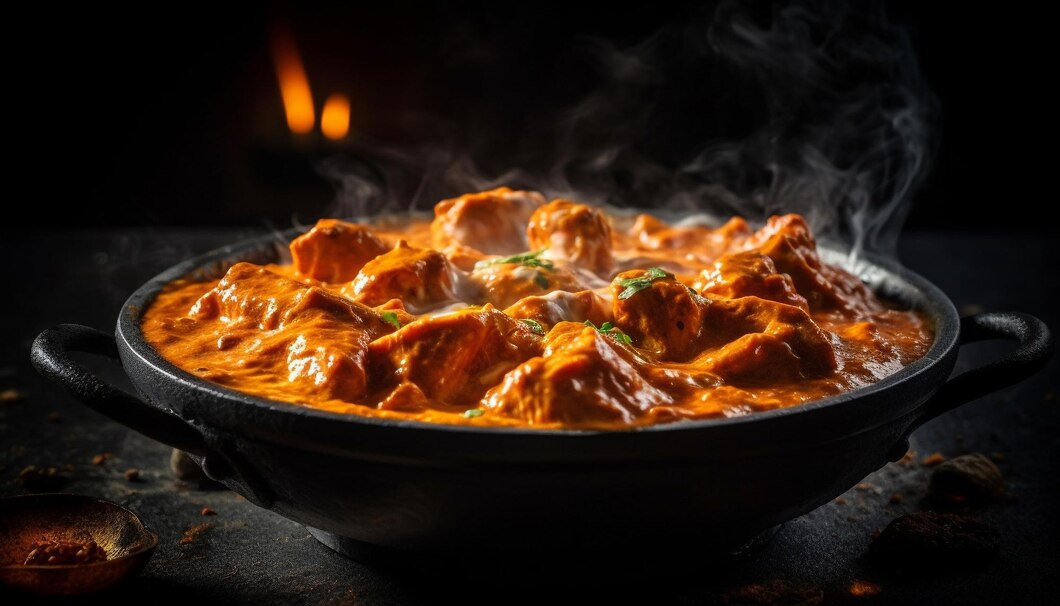
Few Indian dishes have travelled as successfully across borders, generations and culinary cultures as butter chicken. What began as a dish associated with Delhi’s restaurant culture has evolved into one of the most recognisable Indian preparations in the world. In Canada, it has become a familiar presence on Indian restaurant menus, and nowhere is that relationship more visible than in a city such as Brampton. The story of Butter Chicken in Brampton, Ontario is therefore about more than a popular curry. It is also a story about migration, community, adaptation and the way food can preserve cultural familiarity while becoming part of a new culinary environment. Brampton’s contemporary food scene reflects its multicultural character. The City of Brampton itself describes food as a gateway to exploring culture and highlights the city’s extensive range of cuisines and culturally rooted food businesses. Within that landscape, butter chicken occupies an interesting position: traditional enough to carry a strong connection to South Asian culinary heritage, yet accessible enough to appeal to diners who may be experiencing Indian cuisine for the first time. Where Did Butter Chicken Originate? The history of butter chicken is generally traced to Delhi in the mid-20th century and is closely associated with the Moti Mahal restaurant and restaurateur Kundan Lal Gujral. The dish emerged from a practical culinary idea: combining pieces of cooked tandoori chicken with a rich tomato-based sauce. Butter, cream and aromatic spices helped transform the chicken into a softer, more luxurious curry. That origin is important because butter chicken was not simply another generic chicken curry. Its character came from the relationship between tandoori cooking and a rich tomato-based gravy. The chicken brought roasted and smoky notes, while tomato supplied acidity. Butter and cream softened the sauce, and spices created aromatic depth without necessarily producing intense heat. That combination helped make butter chicken unusually approachable. Unlike some curries that rely heavily on chilli or highly assertive spices, butter chicken can offer complexity through richness, aroma and texture. This quality would later prove particularly important as the dish travelled internationally. From Delhi to the World Butter chicken’s global journey mirrors the movement of Indian cuisine itself. Following the upheavals surrounding Partition, Punjabi and North Indian culinary traditions travelled with communities that established new homes in different parts of India and, eventually, around the world. Restaurants became important cultural spaces within these communities. They did more than provide meals; they recreated familiar flavours and offered diners a connection to food traditions from home. As Indian restaurants expanded internationally, butter chicken proved particularly adaptable. The basic formula could be maintained while the balance of sweetness, creaminess, spice and acidity could be adjusted according to local preferences. That flexibility helped turn it into a global restaurant staple. In Canada, the dish eventually moved beyond being a specialty ordered primarily by people familiar with Indian cuisine. It became an introductory dish for diners exploring Indian food, particularly those who preferred relatively mild spice levels. This evolution explains why Butter Chicken in Brampton, Ontario cannot be understood entirely through its original Delhi context. The dish has accumulated new culinary meanings as it has travelled. How Indian Cuisine Became Part of Brampton’s Identity Brampton’s rise as a major South Asian culinary destination did not happen in isolation. It developed alongside the growth and diversification of the city’s communities. The city’s own cultural planning documents recognise the importance of South Asian culture to Brampton’s identity, including food, festivals, arts and community life. That cultural presence naturally influences the local restaurant scene. Restaurants serving Indian, Punjabi, South Indian and other South Asian cuisines have become part of Brampton’s everyday food environment. The city’s tourism strategy notes that Indian cuisine is among Brampton’s major ethnic culinary categories and identifies the variety of food traditions as both an important cultural asset and an opportunity for food tourism. This provides the setting in which butter chicken flourished. For families with South Asian roots, the dish can evoke familiar flavours and restaurant traditions. For other residents, it can function as an accessible introduction to Indian cuisine. That ability to occupy both spaces is one reason butter chicken has remained so prominent. Why Butter Chicken Found a Natural Home in Brampton The popularity of Butter Chicken in Brampton, Ontario is closely connected to the dish’s ability to bridge familiarity and discovery. For people accustomed to North Indian flavours, butter chicken can be recognisable comfort food. For diners less familiar with Indian cuisine, its creamy texture, moderate spice and rich tomato flavour can make it an approachable starting point. It also fits naturally into the restaurant formats that have developed around modern urban dining. Butter chicken works equally well as part of a family meal, a casual restaurant order, a takeout dinner or a larger spread featuring naan, rice, dal and vegetable dishes. There is also a social dimension. Indian food is often ordered for sharing, and a bowl of butter chicken placed alongside naan or rice can become part of a broader communal meal rather than an isolated dish. That flexibility has helped preserve the relevance of Butter Chicken in Brampton, Ontario across different generations and dining occasions. What Makes Butter Chicken Different From Other Indian Curries? One reason butter chicken has such a strong identity is its distinctive balance. The foundation is usually chicken that has been marinated and cooked before being incorporated into the sauce. Tandoori or tikka-style cooking can give the meat a roasted exterior and subtle smokiness. The gravy typically combines tomatoes with butter, cream and spices. The result is generally richer and smoother than many everyday Indian curries. Chicken tikka masala is often compared with butter chicken because both can contain tomato-based sauces and pieces of grilled chicken. However, the two dishes are not necessarily interchangeable. Restaurant recipes vary, but butter chicken is generally associated with a more buttery, creamy and rounded flavour profile. Chicken korma offers another useful comparison. Korma is traditionally associated with a rich sauce and aromatic spices, but its flavour structure
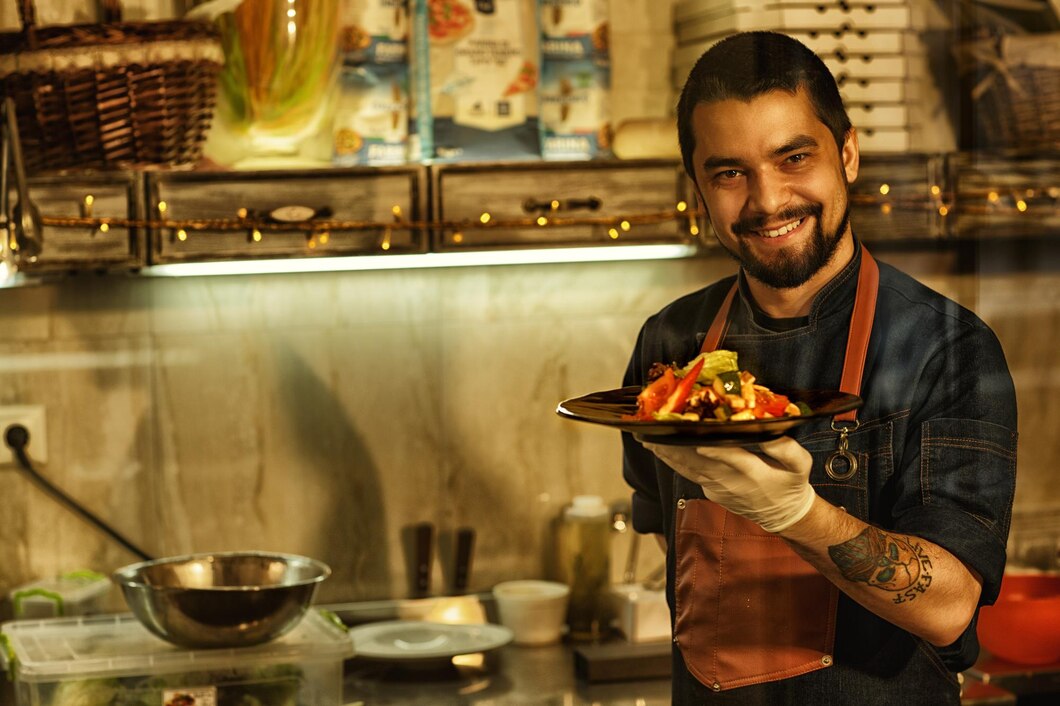
5 Reasons Why Opening an Indian Restaurant Franchise in Brampton, Ontario Is a Smart Investment
Choosing the right location is one of the most important decisions when entering the restaurant business. The concept, menu and brand matter, but so does the market in which the business operates. For entrepreneurs considering food-service opportunities in Canada, Brampton, Ontario, presents an interesting environment for an Indian restaurant franchise in Brampton, Ontario. Brampton has developed a distinctive multicultural identity, with South Asian culture playing a particularly visible role in the city’s communities, businesses, festivals and food scene. Indian cuisine is no longer viewed simply as a niche category. It has become an established part of the local dining landscape, appealing to customers from a variety of cultural backgrounds. That does not mean every restaurant or franchise will automatically succeed. Restaurant profitability depends on numerous variables, including location, operating costs, pricing, food quality, management, staffing and customer retention. However, the underlying market characteristics can make an Indian restaurant franchise in Brampton, Ontario an opportunity worth examining. Here are five reasons why. 1. Brampton Has an Established Market for Indian Cuisine The most obvious advantage is also one of the most significant: Indian cuisine already has a strong presence in Brampton. This matters because launching a restaurant in a market where customers are unfamiliar with the cuisine requires considerable consumer education. An Indian restaurant franchise does not necessarily face that same challenge in Brampton. Consumers already understand dishes such as butter chicken, biryani, naan, samosas, paneer, tandoori chicken and a wide range of vegetarian curries. The city’s South Asian influence has helped create an environment where Indian food forms part of everyday dining rather than being reserved exclusively for special occasions. For a prospective franchise owner, an established food culture can provide an important foundation. The potential customer base is not limited to people seeking something completely unfamiliar; it includes families, professionals, students and groups already accustomed to eating Indian food. There is also considerable diversity within the category itself. A restaurant can focus on North Indian cuisine, Punjabi dishes, South Indian food, vegetarian cooking, contemporary Indian menus or a broader pan-Indian concept. This creates opportunities for different franchise formats to position themselves according to their menus and target customers. The key, however, is differentiation. A strong existing market also means competition is likely to be significant. 2. A Franchise Model Can Offer More Structure Than Starting Independently Opening any restaurant from scratch involves numerous decisions. The owner has to develop a menu, establish recipes, source ingredients, create operating procedures, recruit and train employees, develop branding, choose technology systems and determine how marketing will be handled. A franchise can potentially reduce some of that initial uncertainty. An established Indian restaurant franchise in Brampton, Ontario may provide franchisees with access to an existing brand identity, standardised recipes, training systems, operating procedures and marketing resources. Depending on the franchise agreement, support may also cover site selection, restaurant design, purchasing, technology and ongoing operational guidance. This does not eliminate the responsibilities of the franchise owner. Nor does it guarantee financial success. In fact, franchisees generally sacrifice some independence in exchange for the systems and brand recognition provided by the franchisor. Menu changes, suppliers, branding, pricing strategies and promotional activity may be subject to specific requirements. That trade-off is important. For an entrepreneur entering the restaurant sector for the first time, the structure of a franchise can be attractive because there is an established operating framework to work within. For an experienced restaurant operator, the decision may depend more heavily on whether the franchise’s systems and brand add sufficient value to justify the associated fees and restrictions. 3. The Customer Base Extends Beyond One Cultural Community One of the more interesting aspects of India’s culinary growth in Canada is its ability to cross cultural boundaries. An Indian restaurant franchise in Brampton, Ontario does not necessarily have to rely exclusively on South Asian customers. Indian cuisine has become increasingly familiar to Canadians from many backgrounds. Some customers may be regular consumers of Indian food, while others may be introduced to it through friends, colleagues, family members or food-delivery platforms. Younger consumers can represent another important segment. They often encounter food through digital platforms and may be more willing to explore regional cuisines, fusion dishes and contemporary restaurant concepts. Vegetarian cuisine also broadens the potential audience. Indian food has a particularly extensive tradition of vegetarian cooking, providing menu possibilities beyond the conventional chicken and meat-based dishes that are often associated with Indian restaurants in Western markets. This means a well-positioned franchise can potentially appeal to several customer groups simultaneously. However, understanding the local audience remains essential. A menu designed entirely around assumptions about one demographic may overlook the diversity of Brampton’s population. The strongest concepts tend to understand who their customers are, what they value and why they choose one restaurant over another. 4. Indian Cuisine Can Adapt to Multiple Restaurant Formats Another advantage of Indian food as a restaurant category is its versatility. The same culinary concept can potentially be adapted to several consumption occasions. A traditional dine-in restaurant can offer a full menu with starters, curries, breads, rice dishes and desserts. A fast-casual franchise can focus on bowls, wraps, combinations and quicker service. A takeaway-oriented location can build its offering around delivery-friendly meals and family portions. There is also potential for catering. Indian food naturally lends itself to larger gatherings, making catering relevant for family celebrations, corporate events, community functions and other occasions. This variety does not mean every franchise should attempt to operate through every channel. Operational complexity can increase rapidly when a restaurant tries to serve too many purposes simultaneously. Instead, the important point is that Indian cuisine can accommodate different business models. An Indian restaurant franchise in Brampton, Ontario could therefore be evaluated not only according to its food but also according to the format in which that food is delivered to customers. A franchise concept with a clearly defined operating model can be easier to position than a restaurant attempting to be a full-service dining room, fast-food outlet, café and
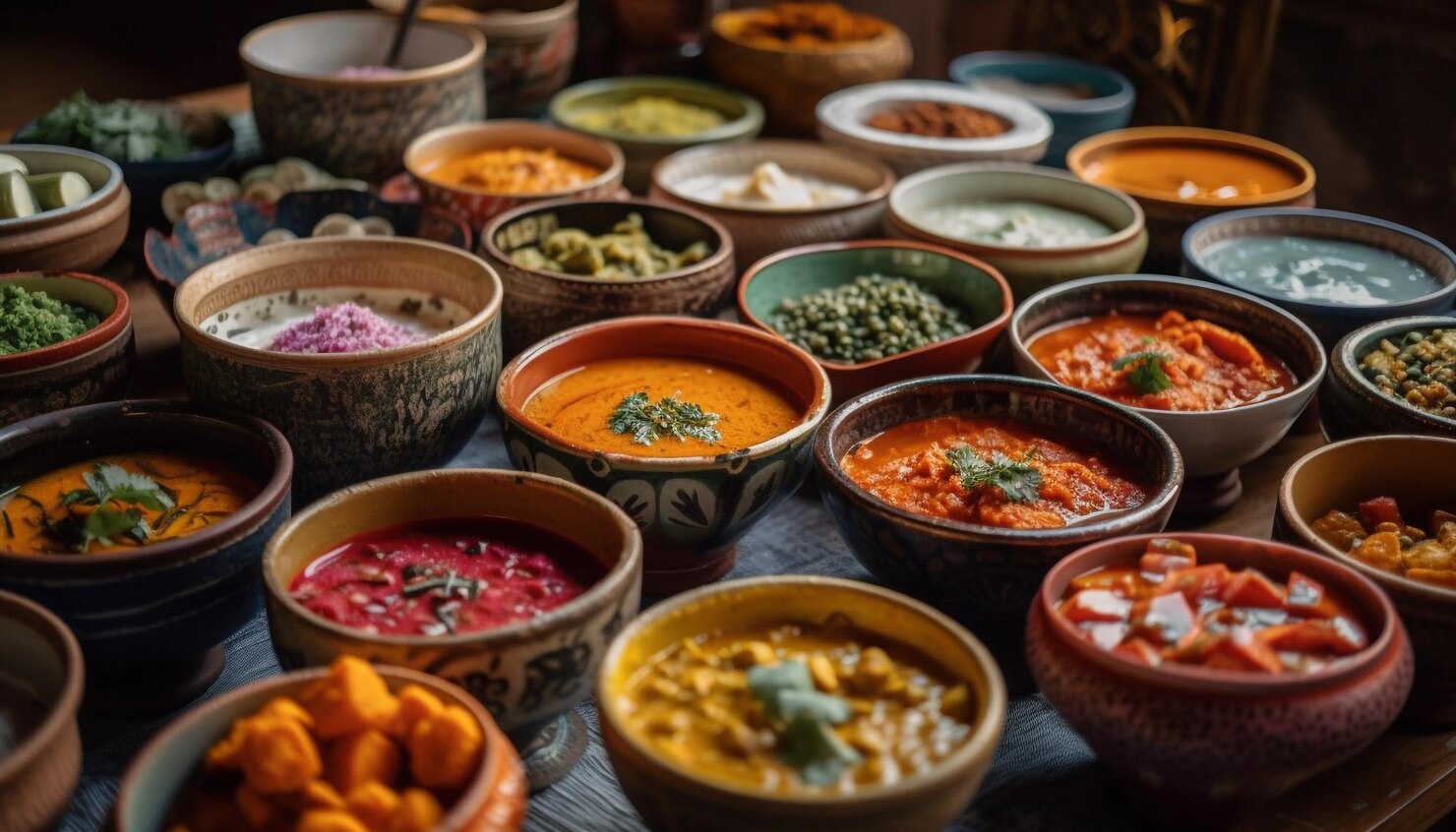
How to Choose the Right Indian Food Franchise in Brampton: Royalty Models, Niches, and Profitability
Choosing a restaurant franchise is a business decision, not simply a food decision. A familiar cuisine, attractive storefront and recognised brand may generate interest, but long-term viability depends on a much broader set of factors. For entrepreneurs evaluating an Indian food franchise in Brampton, the decision should involve careful analysis of the franchise model, target market, royalty structure, operating costs, location and realistic profitability. Brampton offers a particularly interesting environment for Indian food businesses. Indian cuisine is well established, customers are familiar with a wide range of dishes, and the market includes both South Asian consumers and diners from diverse cultural backgrounds. At the same time, the popularity of the cuisine has created substantial competition. That makes choosing the right franchise more important than simply choosing an Indian restaurant brand. The most useful way to evaluate the opportunity is to examine three areas closely: the royalty model, the culinary niche and the economics of the individual restaurant unit. Why Brampton Is an Attractive Market for Indian Food Franchises Brampton’s culinary landscape reflects its multicultural population, with Indian and South Asian food playing a prominent role. Customers can find everything from traditional Punjabi and North Indian dishes to South Indian specialities, Indian street food, vegetarian cuisine and contemporary fast-casual concepts. This established demand can be advantageous for a new franchise. Consumers already understand dishes such as butter chicken, biryani, paneer, naan, samosas and tandoori preparations. The restaurant does not have to introduce an unfamiliar cuisine to the market. However, market familiarity comes with another reality: competition is high. A new Indian food franchise in Brampton therefore needs a clearly defined position. The question is not simply whether people eat Indian food. The question is why customers would choose one particular restaurant over the alternatives available nearby. That distinction should influence every part of the franchise evaluation. What Should Be Evaluated Before Choosing a Franchise? Before comparing menus or brand names, prospective franchisees should create a complete evaluation framework. Important factors include: A franchise that looks affordable at first glance may become considerably more expensive after construction, equipment, royalties, marketing contributions and working capital are included. That is why the total cost of ownership matters more than the headline franchise fee. 1. Understand the Royalty Model Before Signing Royalty structures deserve particularly close attention because they affect the economics of the business after the restaurant opens. There is no universal royalty model across restaurant franchises. Common structures include percentage-based royalties, fixed fees, tiered arrangements and combinations of several charges. Percentage-of-Sales Royalty Under this structure, the franchisee pays a predetermined percentage of sales to the franchisor. For example, if a hypothetical restaurant generates $50,000 in monthly sales and the royalty is 6%, the monthly royalty would be $3,000. The calculation is straightforward, but the financial impact needs to be considered alongside all other operating expenses. Fixed Royalty A fixed royalty involves a predetermined recurring payment. This provides greater predictability because the payment does not necessarily change directly with monthly sales. However, a fixed fee can represent a heavier burden during periods when sales are lower. Tiered or Variable Royalty Some franchise agreements may use different rates according to defined sales thresholds or other conditions. This can make the structure more complex, which is why prospective franchisees should understand precisely how the calculation works. Hybrid Structures A franchise agreement may involve multiple financial components, such as a royalty, advertising contribution and technology-related fee. The important distinction is: Royalty is not necessarily the only recurring franchise expense. Before evaluating an Indian food franchise in Brampton, an investor should request a complete schedule of all mandatory fees. Royalty Model Comparison Royalty Model How It Works Potential Advantage Potential Concern Percentage of sales Based on restaurant revenue Scales with sales Payment increases as sales increase Fixed fee Predetermined recurring amount Easier to forecast Payment remains due during weaker sales Tiered Rate changes according to agreed thresholds Can reflect business scale More complicated to calculate Hybrid Multiple fees apply May provide broader franchise services Total cost requires careful analysis The most attractive royalty structure is not necessarily the one with the lowest percentage. A higher royalty may potentially be justified if the franchisor provides substantial brand value, training, technology, marketing and operational support. The correct comparison is cost versus value. 2. Choose a Niche That Matches Brampton’s Customers “Indian food” is an enormous category. An investor choosing an Indian food franchise in Brampton should determine what part of that category the franchise actually serves. Potential niches include: North Indian and Punjabi Cuisine This remains one of the most recognisable Indian culinary categories in Canada, with dishes such as tandoori preparations, butter chicken, naan, dal and paneer. South Indian Cuisine Dosa, idli, vada, uttapam and regional rice dishes provide a very different proposition from conventional North Indian restaurant menus. Indian Street Food Chaat, samosas, pav bhaji, kathi rolls and other street-food favourites can work particularly well in casual formats. Vegetarian Indian Food Indian cuisine has a long-standing vegetarian culinary tradition, making vegetarian restaurants different from concepts that simply provide a few meat-free alternatives. Fast-Casual Indian Food Bowls, wraps, combinations and quick-service meals can appeal to consumers prioritising convenience. Premium or Family Dining A broader menu, table service and an experience-oriented environment can target families, celebrations and group dining. The objective is not to identify a niche that sounds fashionable. It is to identify one where customer demand, competition and the franchise’s operating model intersect effectively. Specialisation vs. a Broad Menu A broad menu can attract customers with different preferences, but it can also increase inventory requirements, preparation complexity and staff training. A specialised concept can be easier to position and operate, but its potential customer base may be narrower. Neither approach is automatically better. The franchise should have enough culinary identity to stand out without restricting itself unnecessarily. 3. Evaluate Profitability Through Unit Economics Profitability should be assessed at the restaurant-unit level rather than through broad statements about the popularity of Indian food. A simple model can begin with:
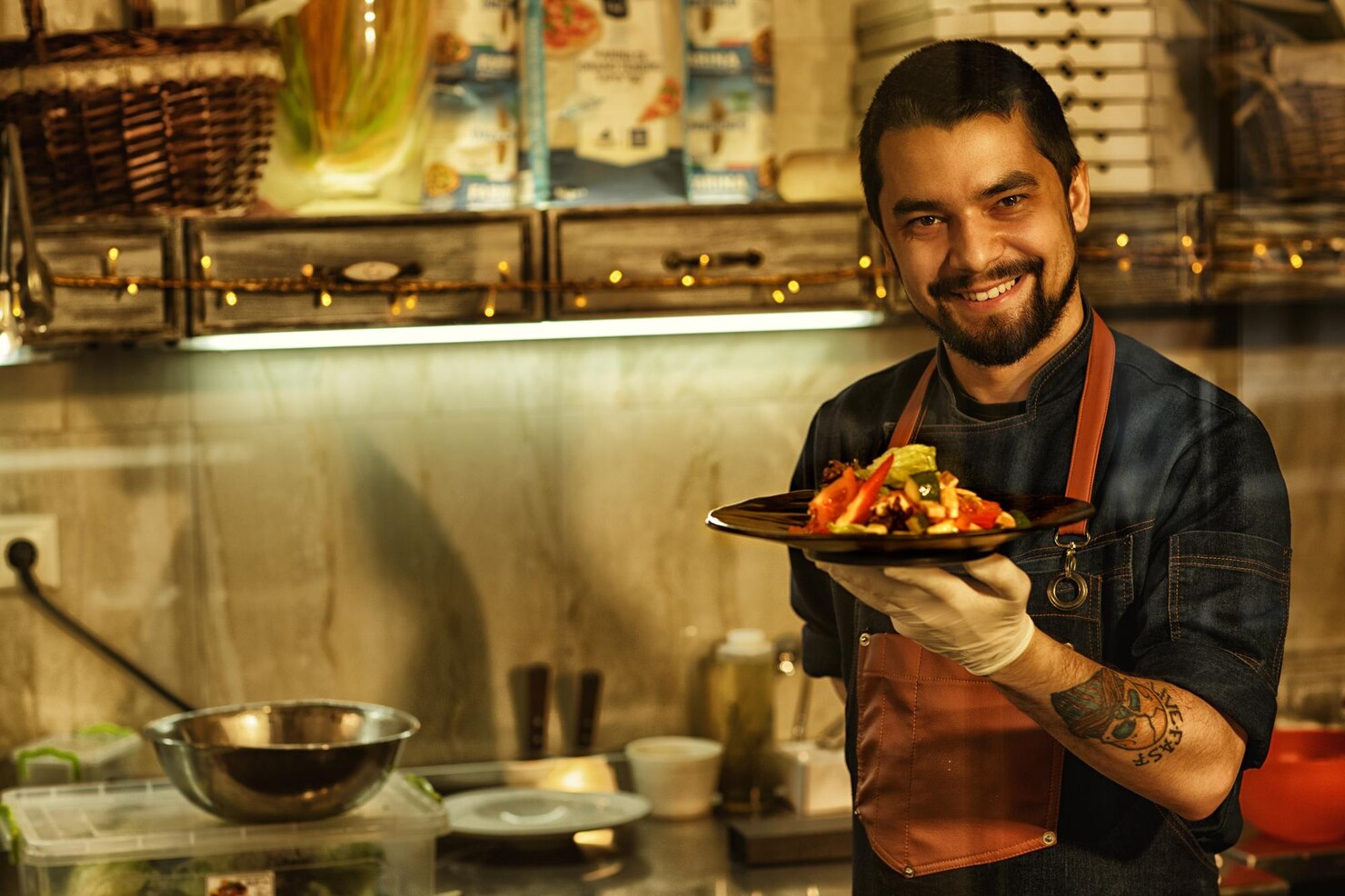
5 Trending Indian Food Franchise Concepts Thriving in Brampton
Brampton has become one of the most interesting food markets in Ontario for entrepreneurs exploring South Asian cuisine. Indian food is deeply established in the city’s culinary landscape, but the market is no longer limited to traditional sit-down restaurants. Fast-casual formats, regional specialities, vegetarian concepts, delivery-led kitchens and catering-focused businesses are changing how Indian cuisine is consumed. This evolution has created opportunities for different types of Indian food franchise in Brampton. Customers are looking for familiar dishes, but they are also increasingly interested in convenience, variety, regional flavours and contemporary dining formats. For potential franchise owners, that distinction is important. The opportunity is not simply to reproduce an existing Indian restaurant model. It is to understand which formats align with Brampton’s diverse customers and changing dining habits. Here are five Indian food franchise concepts that are particularly relevant to the current Brampton market. Why Indian Food Franchises Are Gaining Attention in Brampton Brampton’s multicultural character has created a strong foundation for Indian cuisine. South Asian food is part of everyday dining for many residents, while Indian restaurants also attract customers from outside the community. That gives an Indian food franchise in Brampton access to several potential customer groups rather than a single demographic. Families may seek traditional meals and generous portions. Professionals may prioritise lunch and takeaway. Younger consumers can be attracted to fast service, digital ordering and contemporary presentation. Catering can create another avenue for reaching customers during celebrations, corporate functions and community events. The market is therefore broad, but it is also competitive. A franchise concept needs more than a familiar cuisine. It needs a clear proposition, consistent food, appropriate pricing, efficient operations and a location that matches its intended audience. 1. Fast-Casual Indian Food Franchises Fast-casual dining has become an increasingly important restaurant format because it combines aspects of quick service with a more substantial food experience. This model can work particularly well for Indian cuisine. Instead of expecting customers to spend an hour at a traditional restaurant, a fast-casual Indian food franchise in Brampton can offer curries, rice bowls, naan, wraps, biryani combinations and other dishes designed for relatively quick service. The appeal lies in convenience. A customer can order a complete Indian meal without committing to a lengthy dine-in experience. This can make the format relevant to office workers, students, families and customers looking for takeaway. Fast-casual restaurants can also be designed around a comparatively streamlined menu. Fewer menu items can make inventory management, kitchen training and service consistency easier when the concept is properly designed. However, speed should not come at the expense of food quality. Indian cuisine involves complex preparation, marinades, sauces and spice blends. A successful fast-casual concept therefore needs strong kitchen systems that preserve flavour while maintaining efficient service. Why this format matters in Brampton The combination of established Indian-food familiarity and demand for convenience makes fast-casual dining an interesting franchise model. Digital ordering can further complement the format, allowing customers to order meals for pickup or delivery rather than relying entirely on walk-in traffic. 2. Traditional Indian Restaurant Franchises The traditional full-service Indian restaurant remains relevant despite the growth of fast-casual dining. There is a reason. Indian food is closely associated with family meals, celebrations, social gatherings and hospitality. A sit-down restaurant provides an experience that takeaway cannot completely reproduce. A full-service Indian food franchise in Brampton can offer an extensive menu featuring familiar dishes such as butter chicken, chicken tikka, biryani, dal, paneer preparations, tandoori dishes, naan and Indian desserts. The dining environment becomes part of the proposition. Atmosphere, hospitality, presentation and table service can influence the overall customer experience alongside the food. Contemporary franchise brands such as Amaya represent this broader approach to Indian dining, bringing familiar Indian dishes into a structured restaurant format designed for the Canadian market. The important consideration for an investor is differentiation. Brampton already has numerous Indian restaurants. A new full-service franchise therefore needs to provide a clear reason for customers to choose it. That could involve consistency, menu breadth, service, convenience, family-friendly dining or a clearly defined culinary identity. 3. Regional Indian Food Franchise Concepts One of the most interesting developments in Indian food is the growing recognition that Indian cuisine is not a single culinary tradition. India has hundreds of regional food traditions, each with its own ingredients, cooking methods, spice profiles and cultural influences. A regional Indian food franchise in Brampton can therefore build its identity around a specific culinary tradition instead of offering a broad menu covering everything. Punjabi cuisine is already highly familiar to many Canadian consumers. South Indian food provides another strong category, with dishes such as dosa, idli, vada and various rice preparations. There is also growing visibility for Indian street food and regional specialities. A specialised concept can potentially stand out because its positioning is easier to understand. Instead of competing simply as “another Indian restaurant,” a regional franchise can communicate a particular culinary experience. This also creates educational value. Customers may discover that Indian cuisine extends far beyond the familiar butter chicken, naan and tandoori combination. For franchise investors, however, regional specialisation requires careful market research. A concept should have enough potential customers in its target area to support its narrower positioning. 4. Vegetarian and Plant-Based Indian Food Franchises Vegetarian Indian cuisine is not a new trend. India has an exceptionally deep tradition of vegetarian cooking. What is changing is the broader market’s increasing interest in vegetarian and plant-based food. This creates another interesting opportunity for an Indian food franchise in Brampton. A vegetarian-focused concept can build its menu around dishes such as paneer, dal, chole, vegetable curries, dosa, idli, rice preparations and a wide variety of breads and snacks. The potential audience extends beyond vegetarians. Customers may be looking for meat-free meals several times a week, exploring healthier eating patterns or simply wanting greater variety. Indian cuisine is particularly well positioned for this because vegetarian dishes are already an integral part of the culinary tradition rather than an afterthought added to a
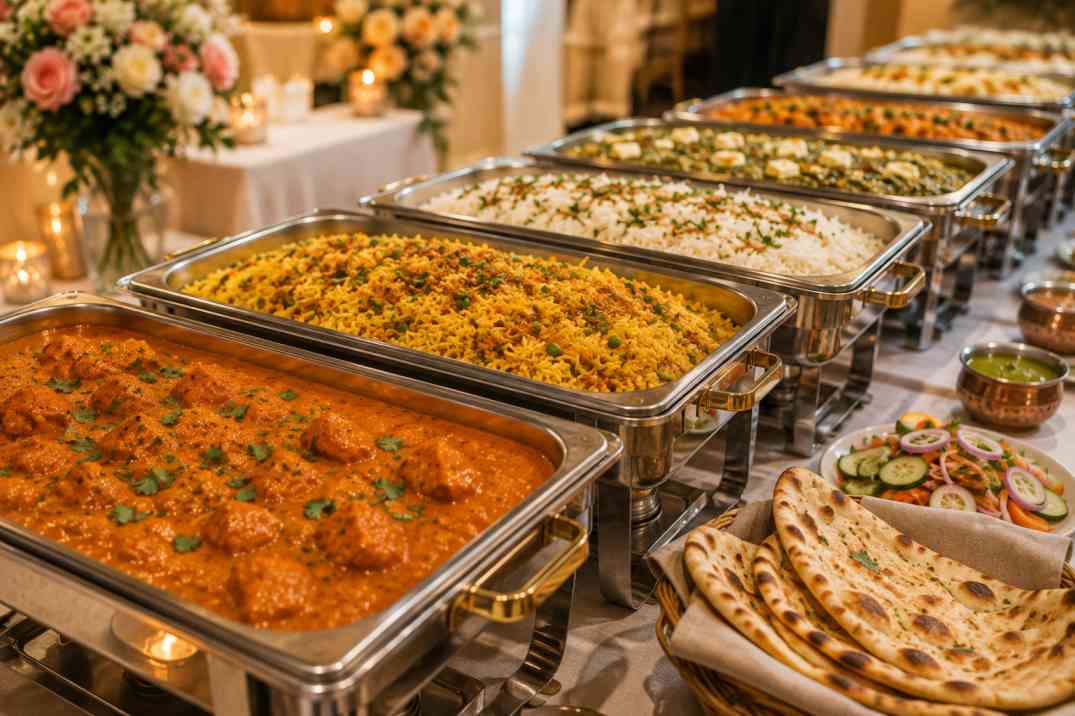
10 Reasons to Book Indian Catering in Kitchener, Ontario for Your Next Special Event
Planning a special event involves much more than choosing a venue and sending invitations. Food often becomes one of the most memorable parts of the occasion. Whether it is a wedding, birthday, anniversary, corporate gathering, cultural celebration, or family get-together, the right menu can make guests feel welcome and leave a lasting impression. Indian catering in Kitchener, Ontario offers an appealing combination of variety, flavour, flexibility, and familiarity. From aromatic rice dishes and rich curries to vegetarian favourites, breads, snacks, and desserts, Indian cuisine can accommodate a wide range of tastes. Here are ten reasons to consider it for the next special occasion. Why Is Indian Catering a Great Choice for Special Events? 1. A Menu With Something for Almost Everyone One of the biggest advantages of Indian catering in Kitchener, Ontario is the enormous variety available. Indian cuisine is not defined by a single flavour profile. Different regions use distinct spices, ingredients, cooking methods, and levels of heat. A thoughtfully planned menu can include creamy curries, grilled dishes, biryani, lentils, vegetable preparations, breads, rice, chaats, and desserts. This variety makes it possible to create an abundant meal without relying on several unrelated cuisines. 2. Vegetarian Guests Have Plenty of Choices Dietary preferences are an important consideration when planning an event. Indian cuisine naturally offers a wide selection of vegetarian dishes, including paneer preparations, chickpea dishes, lentils, vegetable curries, rice dishes, breads, and snacks. For Indian catering in Kitchener, Ontario, this can be especially useful when a guest list includes vegetarians alongside people who prefer chicken or other non-vegetarian options. Vegetarian food does not have to feel like an afterthought; it can be one of the highlights of the menu. 3. Indian Food Suits Many Types of Events Indian catering in Kitchener, Ontario is not limited to weddings. The cuisine can work equally well for birthdays, anniversaries, engagement parties, baby showers, office lunches, community gatherings, holiday celebrations, and family reunions. For a corporate gathering, a convenient buffet or tray-based meal can allow colleagues to serve themselves. For a wedding or milestone celebration, a larger spread can create a more festive dining experience. 4. Bold Flavours Make the Meal Memorable Food contributes significantly to the atmosphere of a celebration. Indian cuisine is particularly well suited to special occasions because of its use of herbs, spices, aromatics, marinades, sauces, and traditional cooking techniques. A menu can move from mild and creamy to smoky, tangy, savoury, or spicy. That range gives guests an opportunity to explore different flavours instead of experiencing a repetitive meal. This is another reason Indian catering in Kitchener, Ontario can make an event stand out: the food itself can become part of the experience. 5. The Menu Can Reflect the Character of the Occasion Another advantage of Indian catering in Kitchener, Ontario is the flexibility of the menu. A casual family gathering does not necessarily require the same selection as a formal wedding reception. Hosts can consider the event’s timing, guest profile, serving style, and overall atmosphere before selecting dishes. A daytime celebration may favour lighter combinations, while an evening event could feature a more elaborate selection of starters, curries, breads, rice dishes, and desserts. 6. It Adds Cultural Variety to Multicultural Gatherings Kitchener and the surrounding Waterloo Region are home to people from diverse cultural backgrounds. Events often bring together guests with different culinary traditions and preferences. Indian catering in Kitchener, Ontario can introduce guests to familiar favourites while giving first-time diners an opportunity to discover something new. Food can become a natural conversation starter as guests compare dishes, ask about ingredients, and share recommendations. 7. Buffet and Tray Formats Can Simplify Hosting Large events involve enough logistics without requiring the host to coordinate every individual plate. Depending on the caterer’s offering, buffet and tray-based formats can make serving easier while allowing guests to select portions according to their preferences. Amaya currently describes its catering options as including tray-based packages and per-person options for occasions ranging from office lunches to family gatherings. For hosts considering Indian catering in Kitchener, Ontario, flexible serving formats can make planning considerably more convenient. 8. Guests Can Enjoy Familiar Favourites and New Dishes A successful event menu does not have to choose between comfort and discovery. Indian catering in Kitchener, Ontario can combine recognisable favourites with dishes that guests may not have tried before. A menu could feature a familiar curry or biryani alongside a regional vegetable preparation, chaat, or specialty snack. This gives cautious diners something comfortable while encouraging adventurous guests to try something different. 9. Options Can Be Adapted to Different Event Sizes and Budgets Every event has different requirements. The food needed for an intimate birthday gathering will naturally differ from what is required for a large wedding or corporate function. When considering Indian catering in Kitchener, Ontario, hosts should begin with the guest count, event type, meal timing, serving format, dietary requirements, and available budget. Discussing these details with a catering provider can make it easier to build a practical menu. 10. Professional Catering Takes Pressure Off the Host Perhaps the biggest reason to choose catering is convenience. When hosts are responsible for cooking, arranging food, keeping dishes warm, serving guests, and managing the meal, it can become difficult to enjoy the occasion. Professional Indian catering in Kitchener, Ontario can transfer much of the food-planning responsibility to an experienced catering team. That allows hosts to concentrate on guests, conversations, photographs, speeches, and the celebration itself. What Should You Look for When Choosing Indian Catering in Kitchener, Ontario? Before selecting a caterer, look beyond the menu. Consider: Clear communication is equally important. A good catering experience begins well before the food reaches the table. Why Consider Amaya for an Indian Catering Event? Amaya describes its food philosophy around traditional Indian recipes, real spices, and time-honoured techniques. Its current menu features dishes such as chana bhatura, thali, butter chicken, samosas, gol gappa, pav bhaji, raj kachori, and lassi. For anyone researching Indian catering in Kitchener, Ontario, Amaya’s stated tray-based and
7 Reasons to Book Indian Catering in Mississauga, Ontario for Your Special Occasion
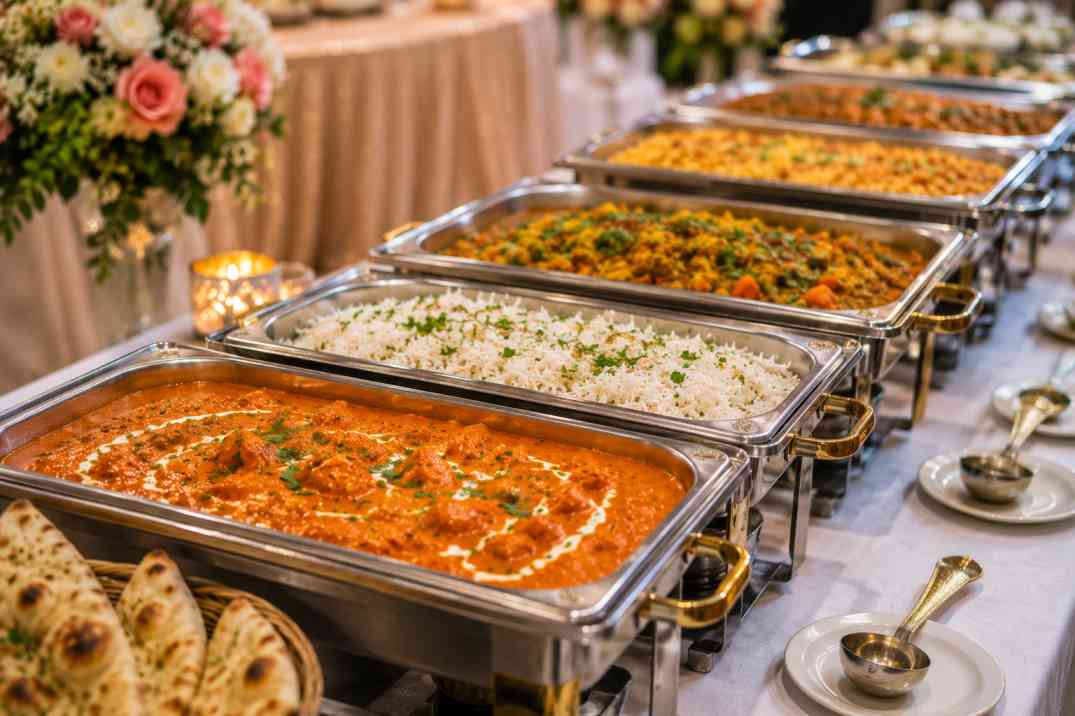
Planning a special occasion involves dozens of decisions, but food is one of the elements guests are most likely to remember. Whether it is a wedding, birthday, anniversary, engagement party, corporate gathering, baby shower, family reunion, or cultural celebration, a well-planned menu can turn an ordinary event into a memorable experience. For hosts considering Indian Catering in Mississauga, Ontario, the options are particularly appealing. Mississauga has a diverse food culture and a large selection of Indian restaurants and catering providers, making it possible to find menus suited to different occasions, group sizes, tastes, and dietary preferences. But what makes Indian food such a popular choice for events? Here are seven reasons to consider Indian catering for the next special occasion. Why Choose Indian Catering in Mississauga, Ontario? 1. Indian Cuisine Offers Exceptional Variety One of the biggest advantages of Indian Catering in Mississauga, Ontario is the sheer variety of dishes available. Indian cuisine includes flavours and cooking traditions from many different regions. A catering menu can feature aromatic biryanis, creamy curries, tandoori dishes, paneer preparations, lentils, vegetable dishes, Indian breads, street-food favourites, snacks, desserts, and refreshing beverages. This variety is particularly useful when an event includes guests with different tastes. Some may prefer mild and creamy dishes, while others may enjoy spicy curries, smoky tandoori food, or tangy street-food flavours. Instead of building an event menu around only a few dishes, hosts can create a spread that gives guests plenty of choices. 2. There Are Plenty of Vegetarian Options Dietary preferences are an important consideration when planning a large gathering. Indian cuisine has a natural advantage because vegetarian food is not treated simply as an alternative to meat. Paneer, dal, chana, vegetable curries, aloo-based dishes, rice preparations, samosas, pakoras, and a wide range of breads can form a substantial vegetarian menu. When researching Indian Catering in Mississauga, Ontario, hosts should ask about vegetarian, vegan, Jain, halal, allergy-related, and other dietary requirements before finalising the menu. Some Mississauga caterers specifically advertise customised menus and dietary accommodations, demonstrating how flexible Indian catering can be for diverse guest groups. 3. Indian Food Works for Almost Any Type of Celebration Indian catering is not restricted to one type of event. A wedding may call for an elaborate buffet with multiple courses, while a corporate lunch might benefit from convenient individual meals or trays. A birthday party could feature popular Indian favourites, while an intimate anniversary celebration might require a smaller, carefully selected menu. Local Mississauga catering providers currently advertise services for weddings, corporate events, birthdays, anniversaries, business meetings, private functions and family celebrations. That versatility makes Indian Catering in Mississauga, Ontario suitable for both formal and casual occasions. 4. A Good Indian Menu Can Make the Event More Memorable Food is more than sustenance at a celebration. It contributes to the atmosphere, encourages conversation, and often becomes part of what guests remember after the event. Indian cuisine naturally creates a visually and aromatically appealing spread. Colourful curries, fragrant rice, freshly baked naan, grilled tandoori dishes, chutneys, chaats, and traditional desserts can create a dining experience that feels abundant and celebratory. For larger occasions, live stations can add another dimension. Some Mississauga catering providers offer live dosa, chaat, tandoor, or other food stations where applicable. These options can turn the meal into part of the entertainment rather than simply something served on a plate. 5. Menus Can Be Customised Around the Guest List Every event has a different audience. A family gathering may include children, older relatives, vegetarians, meat lovers, and guests with different spice preferences. That makes menu flexibility particularly valuable. When selecting Indian Catering in Mississauga, Ontario, hosts can discuss the guest profile with the caterer and determine which dishes will work best. A balanced menu might include mild options alongside more flavourful dishes, vegetarian and non-vegetarian choices, familiar favourites and a few dishes that allow guests to discover something new. Customisation can also help avoid unnecessary food. Instead of ordering a standard package that includes dishes nobody particularly wants, hosts can explore whether the caterer allows combinations or modifications. 6. Catering Makes Hosting Much Easier Preparing food for a large event is a significant undertaking. Shopping for ingredients, cooking several dishes, keeping everything at the right temperature, arranging serving dishes, and cleaning up afterwards can take attention away from the celebration. Professional Indian Catering in Mississauga, Ontario can reduce much of that pressure. Depending on the provider and package, catering may include prepared food, delivery, setup, buffet arrangements, serving assistance, or other event-related services. Some providers offer dedicated catering coordinators or professional setup and service, while others focus primarily on food preparation and delivery. The important point is to clarify exactly what is included before booking. 7. Indian Catering Can Accommodate Different Group Sizes Not every celebration has hundreds of guests. Some events involve a small group of family members, while others bring together hundreds of people. Catering formats can therefore range from smaller party trays and customised meals to larger buffet packages. For example, some Mississauga providers advertise party trays, while others offer packages based on a minimum number of guests or separate small, corporate, and large-event catering options. This gives hosts greater flexibility when planning an event according to guest numbers and budget. How to Choose Indian Catering in Mississauga, Ontario Choosing the right caterer requires more than looking at the menu. Before confirming an order, consider: It is also useful to ask how far in advance the caterer requires an order, particularly for weddings, festivals, weekends, and large corporate events. What Kind of Indian Catering Menu Works Best for a Special Occasion? There is no universal menu that works for every event. However, a balanced Indian spread can include a combination of appetizers, vegetarian dishes, non-vegetarian dishes, rice, breads, accompaniments, and desserts. For example, a larger celebration might feature samosas or other starters, paneer or vegetable dishes, butter chicken or another chicken curry, biryani, naan, raita, salad, and traditional desserts. The final selection should reflect the guests rather
Why Investing in an Indian Food Restaurant Franchise in Toronto Is a Smart Business Opportunity
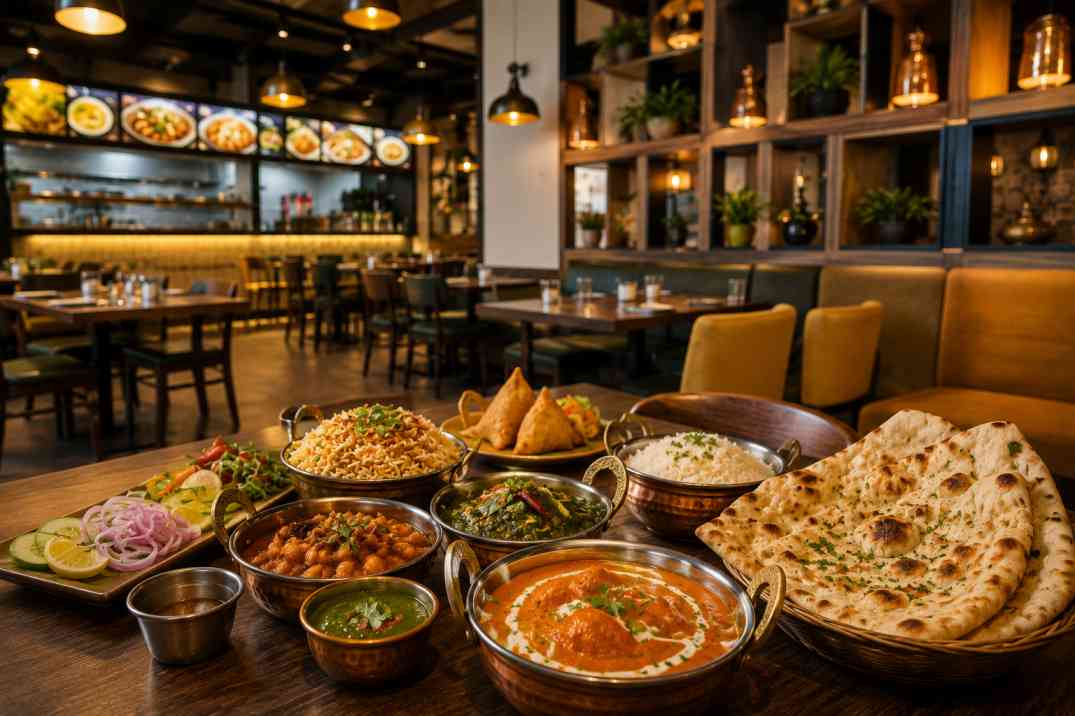
Toronto is one of Canada’s most diverse and dynamic food markets. From neighbourhood eateries to quick-service restaurants and established chains, consumers have access to cuisines from around the world. Among these choices, Indian food has developed a strong presence, creating opportunities for entrepreneurs who want to enter the restaurant industry with a cuisine that offers variety, familiarity, and broad appeal. For someone considering an Indian food restaurant franchise in Toronto, the opportunity is not simply about opening another restaurant. A franchise can combine an established food concept with operational systems, brand identity, menu development, and a structured approach to expansion. But is an Indian restaurant franchise the right investment? Here are some important reasons why the model deserves consideration. Why Is an Indian Food Restaurant Franchise in Toronto Worth Considering? 1. Toronto Has a Diverse and Established Food Culture Toronto’s multicultural population has helped create a food scene where international cuisines are part of everyday dining. Indian food is particularly versatile because its menu extends across regional flavours, cooking styles, vegetarian dishes, meat-based preparations, snacks, breads, rice dishes, and beverages. For an investor, that diversity can provide opportunities to serve different customer segments rather than depending on a single type of dish. An Indian food restaurant franchise in Toronto can potentially appeal to customers looking for a quick lunch, a casual dinner, takeout, comfort food, or familiar flavours from home. 2. Indian Cuisine Offers Exceptional Menu Variety A strong restaurant concept needs more than one popular dish. Indian cuisine provides an extensive foundation for menu development. A modern Indian restaurant can offer classics such as butter chicken, chana bhatura, samosas, biryani, paneer dishes, thalis, street-food favourites, rice bowls, lassi, and regional specialities. Amaya’s current menu, for example, includes chana bhatura, Amritsari kulcha with chana, thali, butter chicken bowls, samosas, gol gappa, pav bhaji, raj kachori, samosa chaat, and lassi. That breadth can help a franchise concept appeal to customers with different tastes and dining occasions. 3. The Foodservice Industry Remains a Major Canadian Market Investors should always examine the wider industry before considering a restaurant opportunity. Statistics Canada reported that Canada’s food services and drinking places generated $101.4 billion in sales in 2025, representing a 5.6% increase from 2024. Limited-service eating places, full-service restaurants, and special food services all recorded annual sales growth. This does not mean every restaurant or franchise will be successful. Location, operating costs, competition, customer demand, management, and execution remain critical. However, the broader numbers demonstrate that foodservice continues to represent a substantial Canadian consumer market. 4. A Franchise Can Reduce Some of the Uncertainty of Starting From Scratch Launching an independent restaurant requires developing a brand, menu, operating procedures, supplier relationships, marketing strategy, and customer acquisition approach from the ground up. A franchise model can provide a framework around many of these areas. An Indian food restaurant franchise in Toronto may offer investors access to an existing concept, established brand standards, menu systems, operational guidance, and a defined business model. The precise support varies by franchisor, which makes due diligence essential before signing an agreement. 5. Fast-Casual Indian Food Can Match Modern Dining Habits Today’s restaurant customer often values both flavour and convenience. People may want a satisfying meal without spending a long time in a traditional full-service restaurant. This creates potential for fast-casual Indian concepts that combine authentic food with efficient ordering and serving. Amaya describes its concept around real Indian food, traditional recipes, real spices, and time-honoured techniques while also maintaining a menu featuring bowls, street snacks, signature dishes, and takeaway-oriented options. For entrepreneurs researching an Indian food restaurant franchise in Toronto, a format that combines authenticity with operational efficiency may be worth investigating. 6. Different Franchise Formats Can Suit Different Investment Strategies Not every investor wants to operate a large restaurant. A major consideration when evaluating an Indian food restaurant franchise in Toronto is the physical format. Amaya currently presents two franchise formats: The brand currently lists estimated investments of $500,000–$800,000 for the full format and $300,000–$600,000 for the mall format, along with a $35,000 franchise fee and stated royalty/ad fees of 5% + 2%. These are estimates rather than guaranteed costs. Actual investment requirements can vary according to location, construction, landlord conditions, equipment, permits, and other factors. 7. A Strong Indian Food Brand Can Build Repeat Customers Restaurant success depends heavily on repeat business. Customers who enjoy a meal may return for lunch, dinner, takeaway, family meals, or casual dining. Consistency, therefore, matters. Amaya’s franchise positioning specifically emphasizes a focused menu, operational efficiency, consistency, and long-term guest loyalty. For an entrepreneur, this highlights an important principle: the objective should not simply be to attract first-time customers. The stronger opportunity is to build a restaurant that customers want to revisit. 8. Digital Ordering and Marketing Create Additional Opportunities Restaurant discovery has changed significantly. Customers increasingly use search engines, maps, social media, review platforms, and food-delivery channels when deciding where to eat. This means an Indian food restaurant franchise in Toronto needs to compete digitally as well as physically. A strong local SEO strategy, updated Google Business Profile, high-quality food photography, social media content, customer reviews, online ordering, and location-specific advertising can all contribute to customer acquisition. For franchise investors, the franchisor’s digital marketing capabilities and expectations should therefore be part of the evaluation process. 9. Indian Food Can Serve Multiple Customer Segments Another potential advantage is the ability to serve different audiences from the same broad cuisine. Students may want affordable meals. Professionals may look for convenient lunches. Families may prefer larger meals and familiar dishes. Food enthusiasts may seek regional specialities or street food. Vegetarian customers can also have substantial menu choices. This flexibility can make an Indian food restaurant franchise in Toronto an interesting proposition for entrepreneurs seeking a concept with multiple potential customer segments. 10. There Is Potential for Multi-Unit Expansion For experienced operators, the opportunity may extend beyond one restaurant. Amaya currently states that it offers both single-unit and multi-unit development opportunities for qualified operators, with certain
