
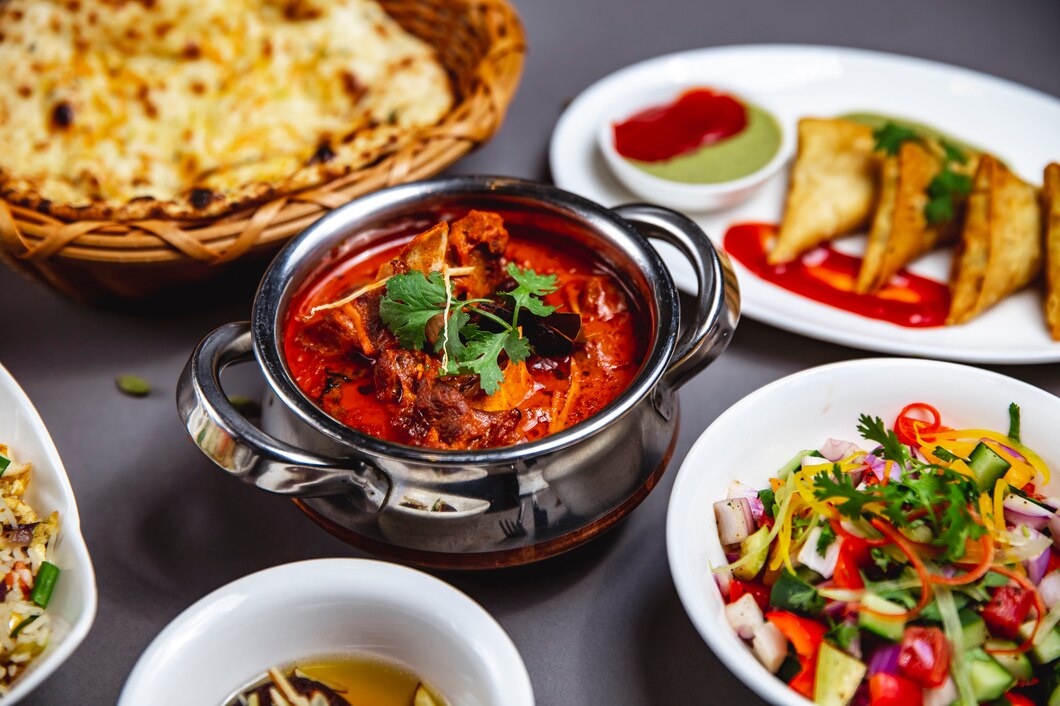
Starting an Indian food franchise in London, Ontario can be an interesting opportunity for entrepreneurs who want to enter the food-service industry with an established business model. Indian cuisine has broad appeal because of its variety, distinctive flavours, vegetarian options, and ability to serve different dining occasions.
However, opening a successful franchise requires more than choosing a popular cuisine. Location, market research, franchise structure, menu planning, staffing, technology, customer experience, and financial preparation all influence long-term performance.
For anyone considering an Indian food franchise in London, Ontario, understanding these factors before making an investment decision can help create a more practical and sustainable business plan.
Why London, Ontario Can Be an Attractive Market for Indian Food
London is an important urban centre in Southwestern Ontario, with a diverse population, educational institutions, healthcare facilities, businesses, residential communities, and a growing food-service sector.
This diversity can create opportunities for restaurants serving international cuisines. Indian food can appeal to established South Asian communities as well as customers who are already familiar with dishes such as butter chicken, biryani, naan, samosas, chole bhature, and a wide range of vegetarian preparations.
A successful restaurant, however, should not depend on one customer group. The stronger opportunity may come from creating a concept that is accessible to families, students, professionals, newcomers, food enthusiasts, and customers looking for convenient takeaway meals.
Understand the Franchise Model Before Investing
The first step is understanding what a franchise actually provides.
Unlike an independent restaurant, a franchise normally operates under an established brand, operating system, menu structure, and set of standards. Depending on the franchise, the franchisor may provide assistance with areas such as:
- Site selection
- Restaurant design
- Menu development
- Staff training
- Operational procedures
- Marketing guidance
- Technology systems
- Supplier relationships
- Opening support
The exact level of assistance differs between franchise companies. Prospective franchisees should therefore study the franchise agreement and disclosure documents carefully rather than assuming that every franchise provides the same level of support.
Research the Local Food Market
Before opening an Indian food franchise in London, Ontario, conduct detailed local research.
Market research should examine the surrounding population, competing restaurants, customer demographics, traffic patterns, nearby businesses, residential development, educational institutions, parking availability, delivery demand, and average restaurant pricing.
It is also useful to study competitors beyond Indian restaurants. Customers deciding where to eat may compare an Indian restaurant with Chinese, Middle Eastern, Mexican, pizza, burger, or other quick-service concepts.
The objective is not simply to determine whether Indian restaurants exist in London. The more important question is whether there is room for another concept with a clearly defined customer proposition.
Select the Right Location
Location can have a significant effect on restaurant performance.
A good location for an Indian food business should ideally provide convenient access for the intended customer base. Depending on the concept, this could mean a busy commercial area, shopping centre, neighbourhood retail zone, student-oriented location, or an area surrounded by residential and employment growth.
Important factors include:
- Visibility from major roads
- Vehicle and pedestrian traffic
- Parking
- Accessibility
- Nearby residential communities
- Nearby offices and businesses
- Competition
- Delivery coverage
- Rental costs
- Size and layout of the premises
A highly visible location is not automatically the best location if occupancy costs are too high. The goal is to balance customer accessibility with sustainable operating expenses.
Choose a Franchise Format That Fits the Market
Indian food franchises can operate through different formats. A full-service or larger quick-service restaurant may provide seating and a broader dining experience. A smaller format may focus more heavily on takeaway, delivery, food-court customers, and high-volume service.
The appropriate format depends on the local market and the available investment capital. Entrepreneurs should consider questions such as:
- How much seating is actually required?
- Is takeaway likely to be significant?
- How important is delivery?
- What kitchen capacity is necessary?
- What are the expected peak hours?
- How much space is needed for storage?
- Can the proposed location support the required sales volume?
Choosing the format before understanding the market can create unnecessary financial pressure.
Build a Menu With Broad Appeal
Indian cuisine is exceptionally diverse, but a restaurant does not necessarily need an enormous menu. A well-designed menu can balance familiar favourites with regional variety. Popular categories may include curries, biryani, tandoori items, breads, vegetarian dishes, rice preparations, snacks, desserts, and beverages.
Menu engineering is equally important. Dishes should be evaluated according to preparation time, ingredient cost, portion size, customer demand, kitchen complexity, and profitability. A focused menu can also make staff training and operational consistency easier.
For an Indian food franchise in London, Ontario, the menu should ideally be approachable enough for customers who are new to Indian cuisine while still providing authentic choices for customers who already know and appreciate Indian food.
Standardisation Is Essential in a Franchise
One of the main advantages of franchising is consistency. Customers should be able to expect a similar experience every time they visit the restaurant. That means recipes, portion sizes, preparation methods, food safety practices, presentation, service standards, and ordering processes need to be clearly defined.
Standardisation can also make employee training easier. This is particularly important in a restaurant where several employees may prepare the same dish during different shifts. Without proper procedures, taste and presentation can vary considerably.
A strong franchise system should therefore provide clear operating guidelines and training rather than relying entirely on the individual owner’s restaurant experience.
Prepare for Staffing and Training
Restaurant success depends heavily on people. A franchise owner should develop a staffing plan covering kitchen employees, food preparation, counter service, cleaning, management, and peak-hour requirements. Training should cover more than recipes. Employees may need instruction in food safety, customer service, order accuracy, equipment use, portion control, cleaning procedures, and franchise standards.
Employee retention can also influence operational consistency. A restaurant with frequent staff turnover may spend considerable time and money repeatedly recruiting and training new employees.
Make Online Ordering Part of the Strategy
Modern restaurant customers increasingly expect convenient ordering options. An Indian food franchise in London, Ontario can potentially serve customers through dine-in, takeaway, online ordering, delivery, catering, and other channels.
A strong digital presence can help customers discover the restaurant, view the menu, place orders, find operating hours, and locate the nearest restaurant. Google Business Profile optimisation, local SEO, social media, online reviews, mobile-friendly ordering, and accurate business information can all contribute to digital visibility.
The digital experience should complement the physical restaurant rather than operate as a completely separate strategy.
Consider Catering as an Additional Revenue Channel
Indian cuisine can work particularly well for group dining and catering because many dishes can be prepared in larger quantities. Corporate lunches, family gatherings, community events, birthdays, weddings, cultural celebrations, and other occasions can create additional demand. Catering can also introduce a restaurant to customers who may later visit the physical location.
However, catering should be planned carefully. Packaging, transportation, food temperature, portion calculations, staffing, advance ordering, and delivery logistics all require appropriate systems.
Understand the Financial Requirements
Financial planning should happen before signing a lease or franchise agreement. The initial investment can include several expenses:
- Franchise fees
- Lease deposits
- Restaurant construction
- Kitchen equipment
- Furniture
- Signage
- Technology
- Initial inventory
- Licences and permits
- Insurance
- Professional fees
- Staff recruitment and training
- Launch marketing
- Working capital
Working capital is particularly important. A new restaurant may take time to reach stable sales levels, so the business needs sufficient financial reserves to manage operating expenses during the early months. Prospective franchisees should prepare realistic projections rather than relying solely on optimistic sales assumptions.
Evaluate the Franchise Company Carefully
Choosing the franchise brand is one of the most important decisions. Before investing, prospective franchisees should investigate:
- The franchise’s history and reputation
- Existing restaurant locations
- Training and operational support
- Supplier arrangements
- Marketing support
- Technology systems
- Franchise fees and ongoing royalties
- Renewal and termination conditions
- Territory protection
- Expected investment requirements
It is also sensible to speak with existing franchisees where possible. Their practical experience can provide insights that may not be obvious from promotional franchise material. Professional legal and financial advice should also be obtained before signing binding documents.
Why Amaya Express Can Be Considered
For entrepreneurs evaluating an Indian food franchise in London, Ontario, Amaya Express can be one option to research because the brand operates within the Indian restaurant and quick-service space and offers franchise formats designed for different restaurant environments. Prospective franchisees should review the current franchise information, investment requirements, support structure, location criteria, and legal documentation directly with the company before making any commitment.
Frequently Asked Questions
1. Is an Indian food franchise a good business opportunity in London, Ontario?
An Indian food franchise can offer an opportunity in London because the city has a diverse population and an established restaurant market. However, success depends on factors such as location, pricing, competition, food quality, operational efficiency, staffing, customer service, and financial management rather than cuisine alone.
2. How much does it cost to open an Indian food franchise in London, Ontario?
The investment varies significantly according to the franchise brand, restaurant format, location, size, construction requirements, equipment, and working capital. Prospective franchisees should obtain the franchisor’s current investment breakdown and prepare an additional budget for operating expenses during the initial period.
3. What should I look for in an Indian food franchise?
Important considerations include brand reputation, menu appeal, franchise support, training, supplier systems, technology, marketing, territory, operating requirements, fees, royalties, and franchisee feedback. The franchise agreement and disclosure documents should be reviewed with qualified professional advisers before making an investment.
4. Is location important for an Indian restaurant franchise?
Yes. Location can influence visibility, customer accessibility, delivery demand, parking, foot traffic, and operating costs. The ideal location depends on the restaurant’s target audience and business format. Detailed demographic, competitive, traffic, and financial analysis should therefore be completed before selecting a site.
5. Can an Indian restaurant generate revenue through catering?
Yes. Catering can provide an additional sales channel for Indian restaurants because many Indian dishes can be prepared for groups and events. Corporate functions, celebrations, family gatherings, weddings, and community events can all create catering opportunities when the restaurant has suitable preparation, packaging, staffing, and delivery systems.
6. What is the first step to starting an Indian food franchise?
The first step should be research rather than immediately signing a franchise agreement. Define the investment capacity, study the London market, compare franchise brands, examine locations, understand operating requirements, review financial projections, and obtain professional advice before making a final investment decision.
Conclusion
Starting an Indian food franchise in London, Ontario requires careful planning, realistic financial expectations, strong operational systems, and a clear understanding of the local market. The popularity of Indian cuisine can create an attractive starting point, but long-term success depends on much more than serving popular dishes.
Entrepreneurs should evaluate the franchise model, location, menu, staffing, technology, customer experience, catering potential, competition, and financial requirements before committing capital.
The strongest approach is to treat the franchise as a long-term business investment rather than simply a restaurant opening. Thorough research, disciplined operations, consistent food quality, and an understanding of local customer needs can provide a stronger foundation for building a sustainable Indian food business in London, Ontario.
